JAPAN 2009
We started our 6th trip to Japan in Tokyo, arriving the evening of 3 November 2009. After partial adjustment to the 10 time zone shift from Washington, we started on a
Tour shown in yellow in this map, moving down the coast of the Japan Sea to Kyushu, and back along the shinkansen line to Tokyo.
Tokyo, 6 Nov
Nagoya, 7 Nov
Nagoya, 9 Nov
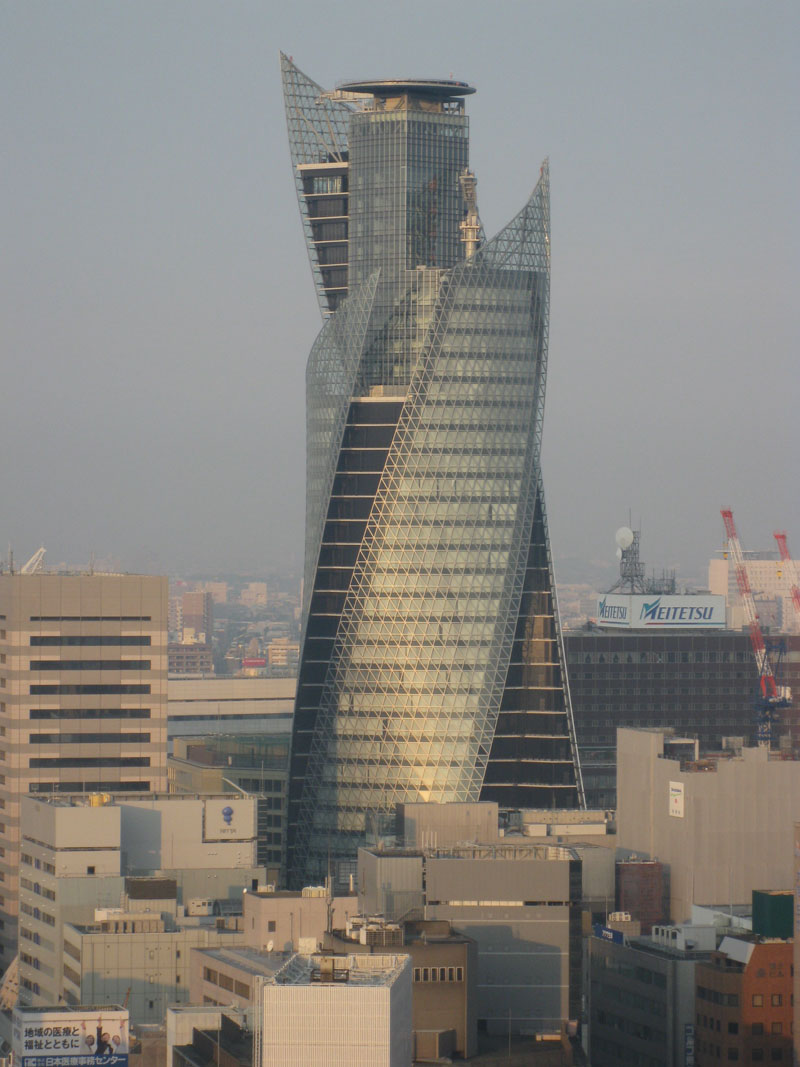
- Spiral Building in a view from our hotel window
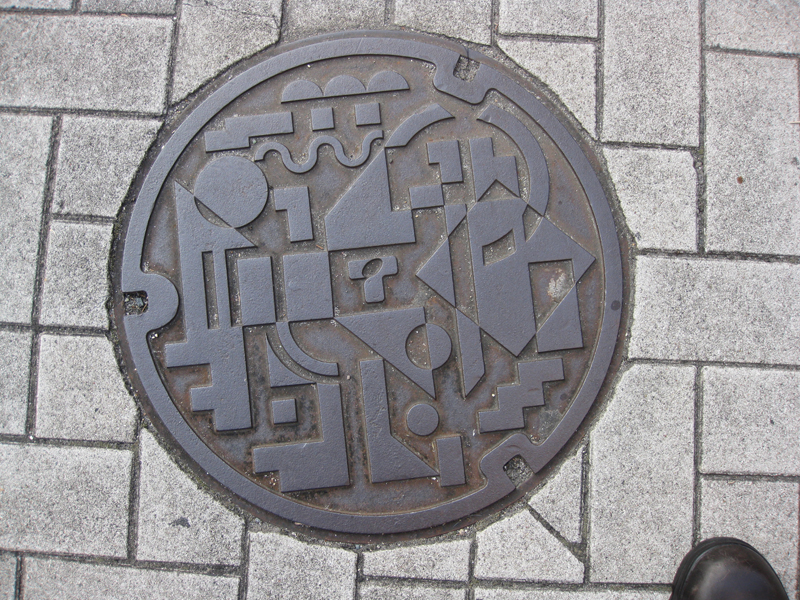
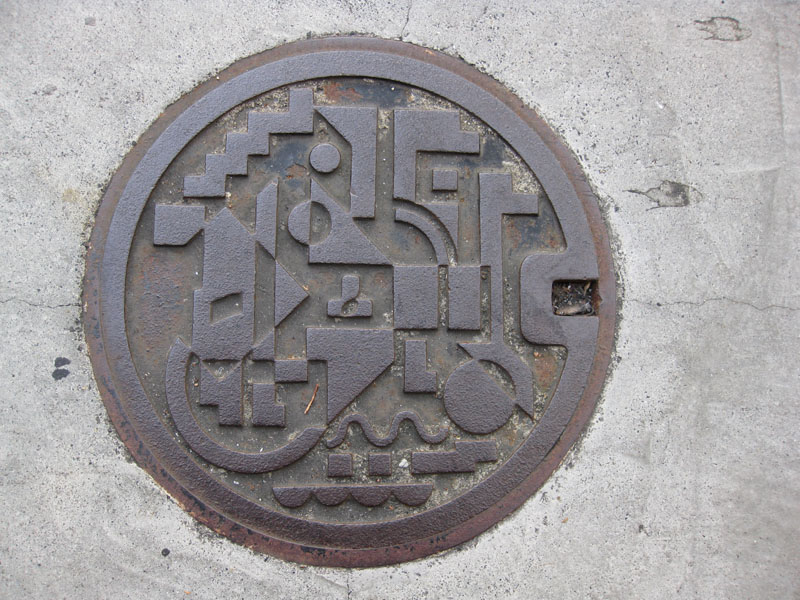
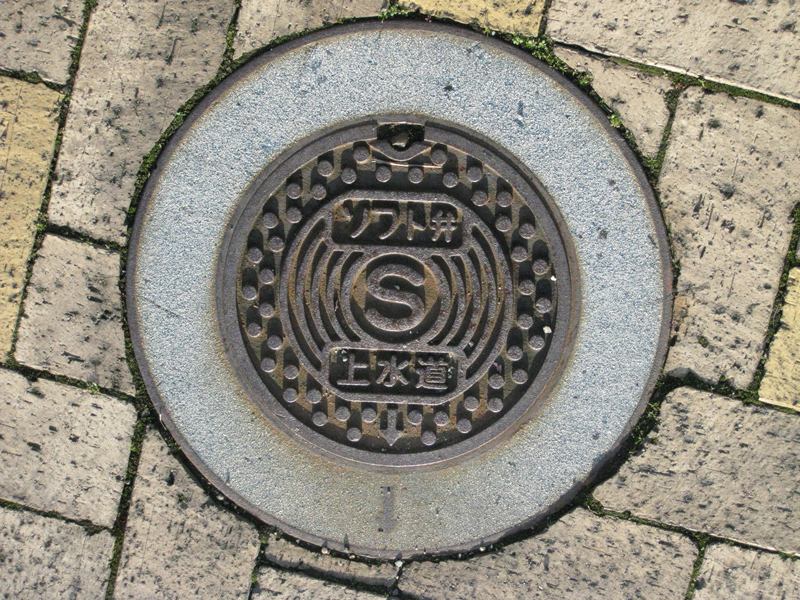
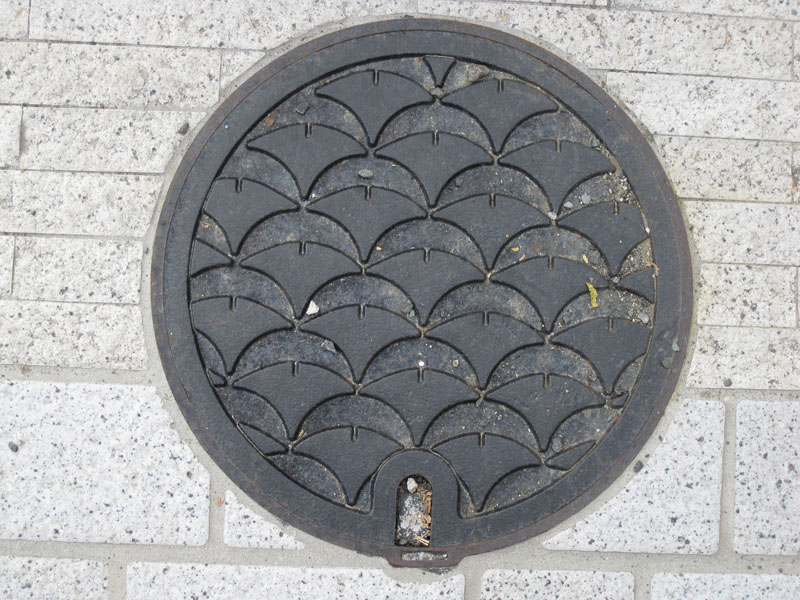
- Manhole cover in Nagoya. Are those stairs?
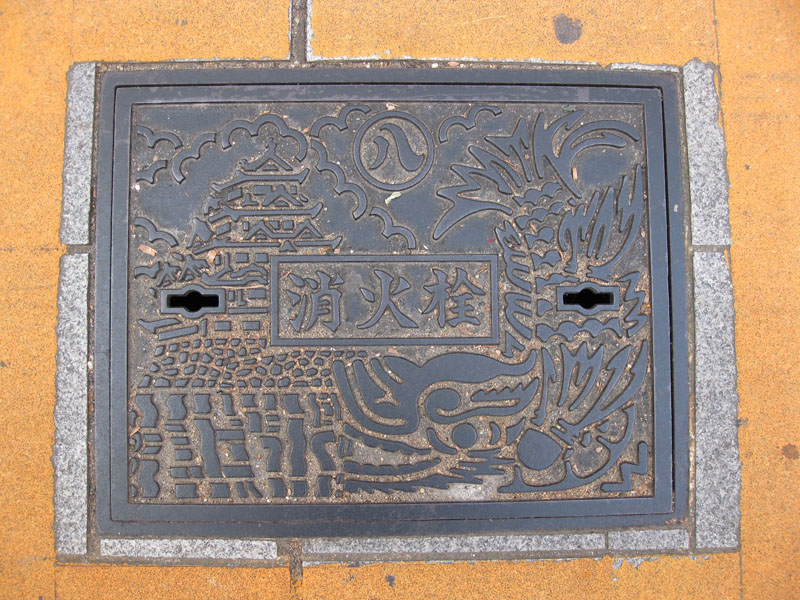
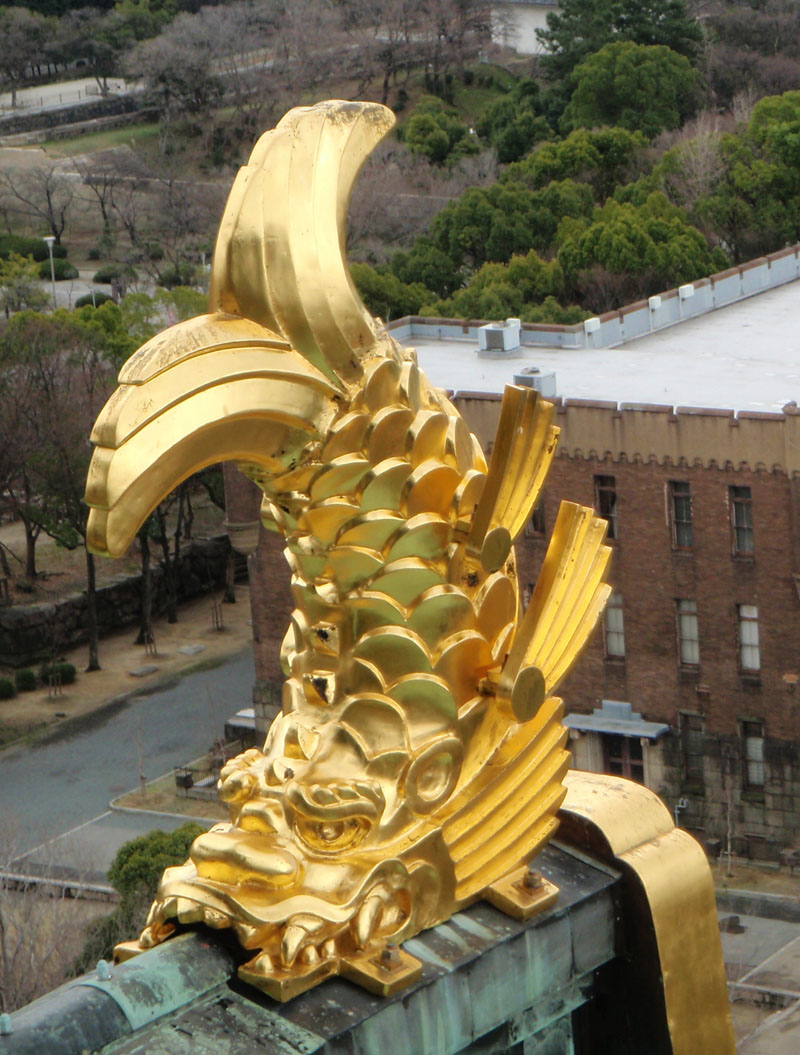
- Manhole cover in Nagoya. That's Nagoya Castle on the left, which was rebuilt after WW II in concrete. On the right is the golden carp which appears at the ends of the ridges of the roof.
This is another tourist's photo of these carp.
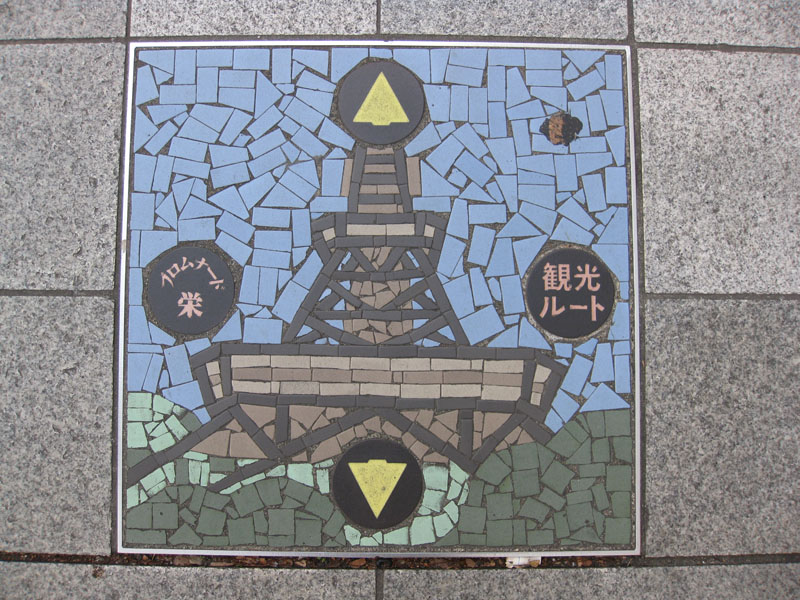
- Neighborhood marker in sidewalk in downtown Nagoya
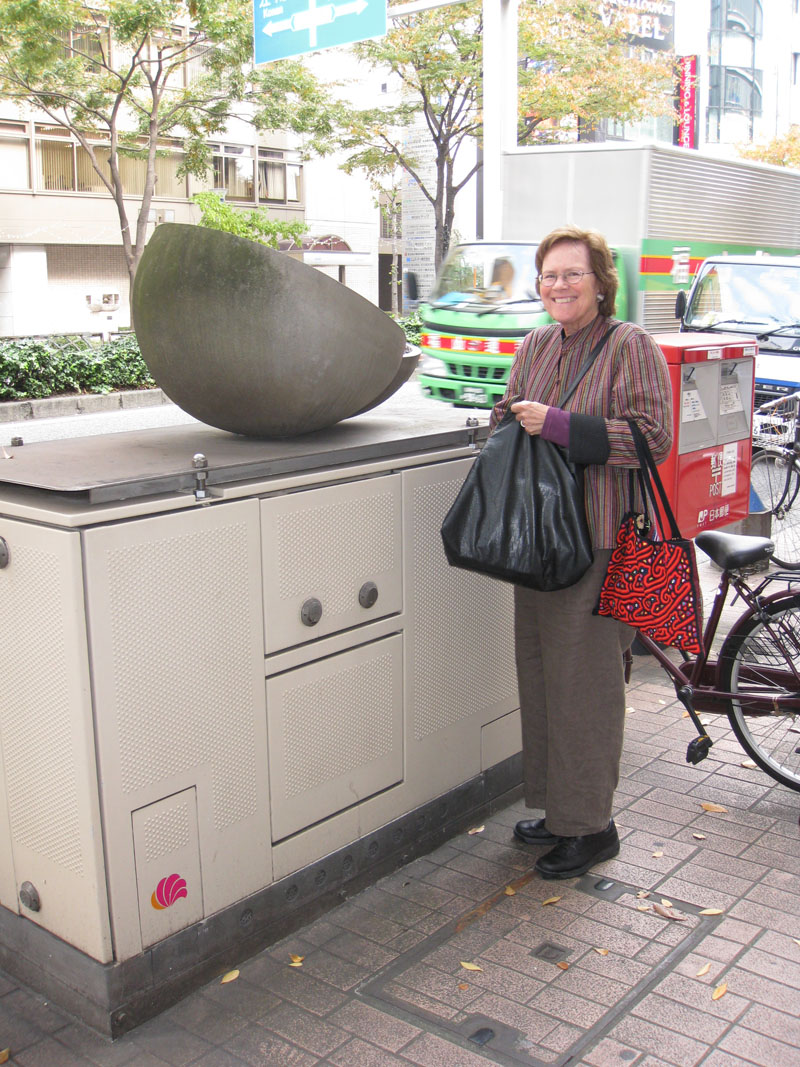
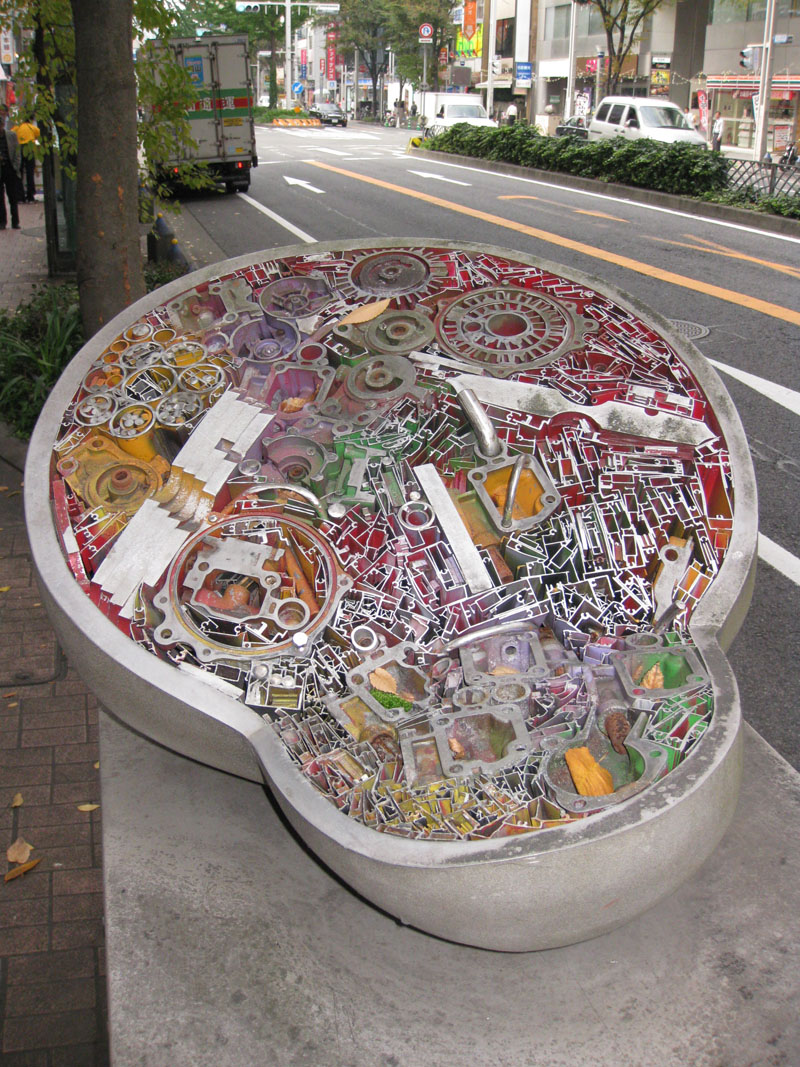
- Street art on top of a transformer or some other electrical utility.
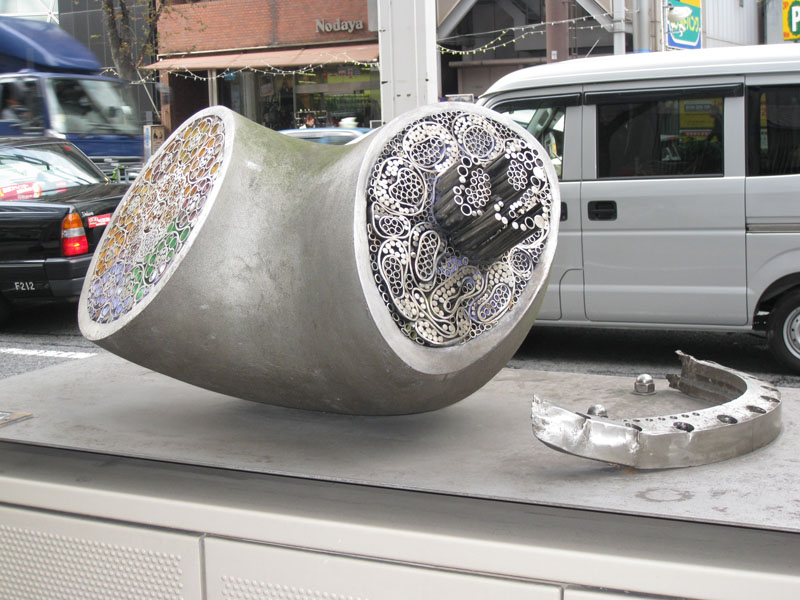
- Street art with a fabulously complicated cross section, as though it has been sliced open
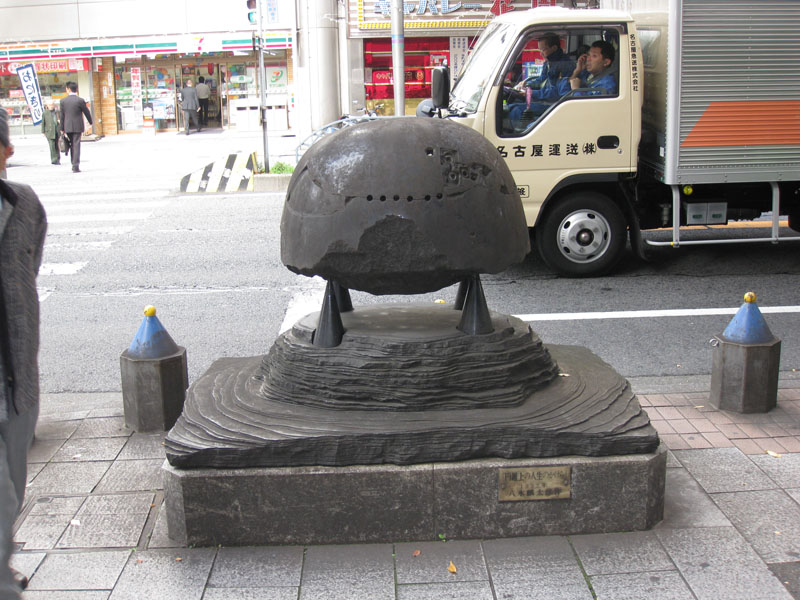
- Street art
- Street art
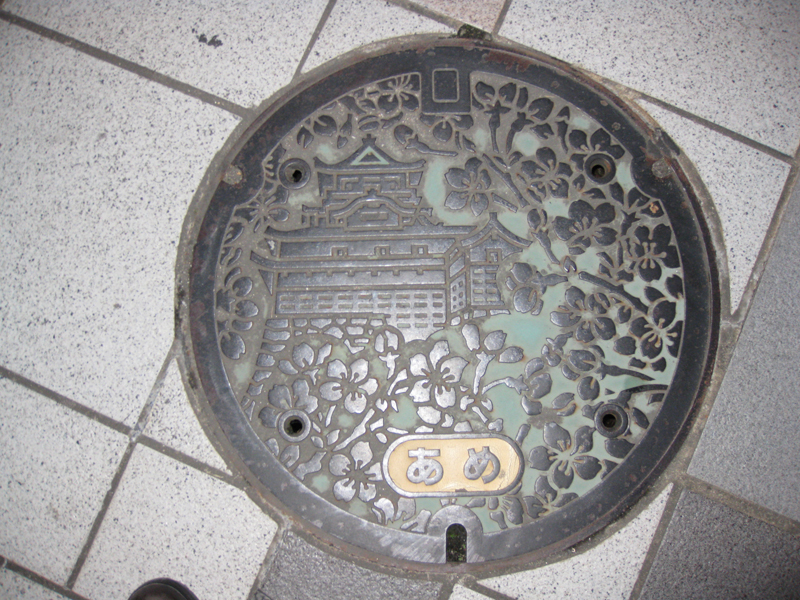
- Manhole cover with another view of Nagoya Castle. The hiragana at the bottom mean "ame", which is rain; so this may be a storm sewer cover.
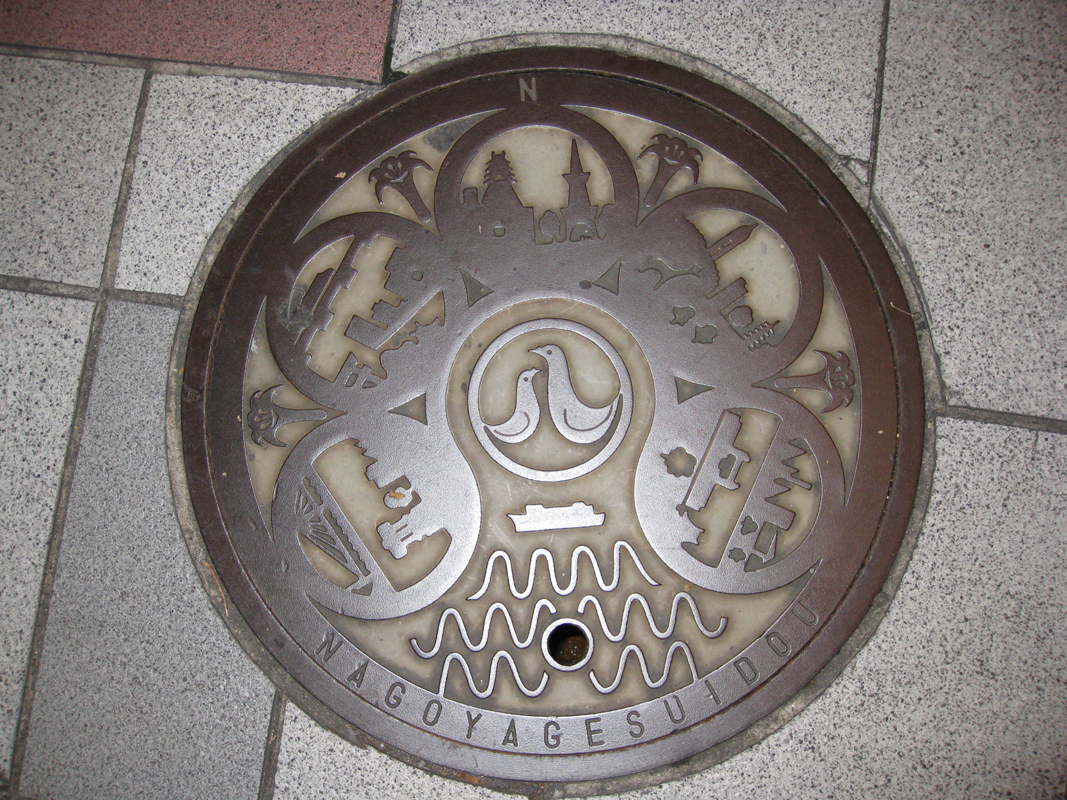
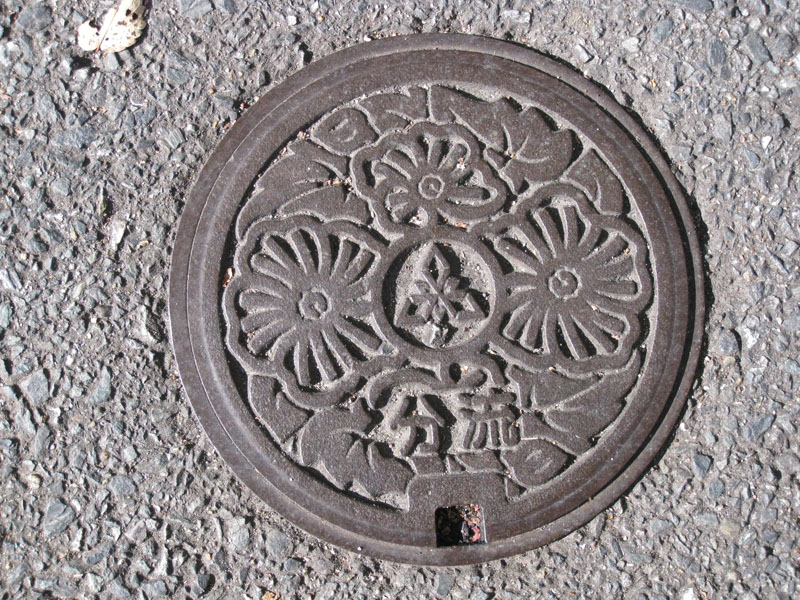
- Manhole cover "Gesuido" means drain, sewer. That may be a ship at the port above the waves. The roundel on the far left may show a suspension bridge. The Castle is in the roundel at the top. That is a 5-story pagoda in the next roundel to the right. On the far right I see a crane, a factory with a smokestack, and below part of a temple roof.
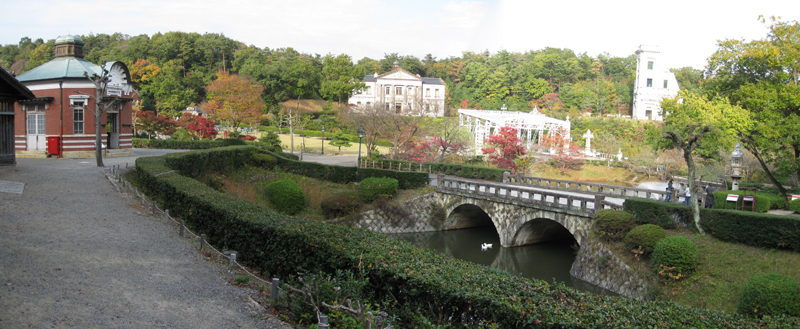
- Meiji Mura Museum This is a large outdoor museum with many buildings from the Meiji Era moved here to preserve them. It is 40 km NNE from Nagoya.
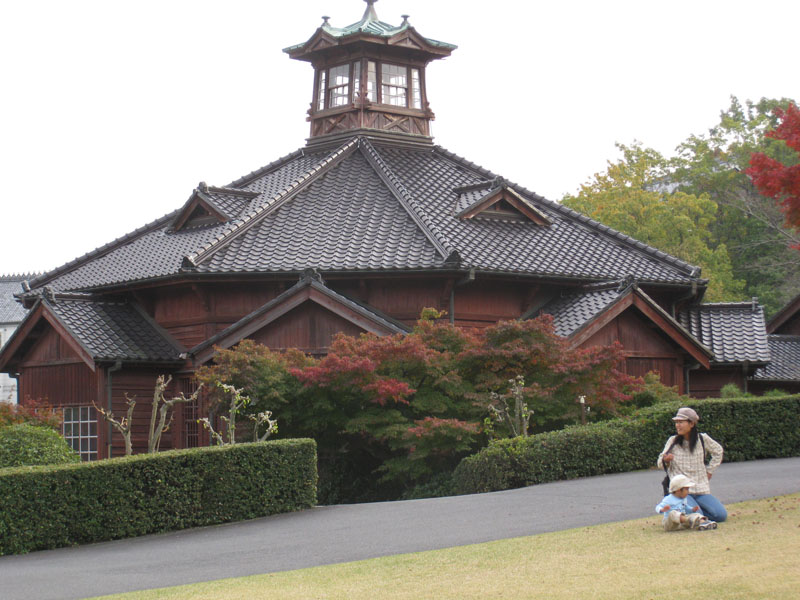
- Penitentiary at Meiji Mura
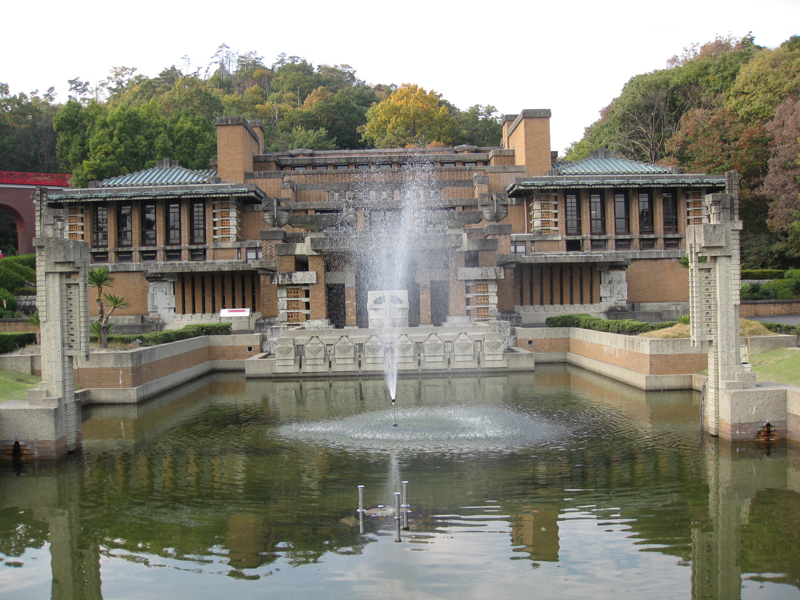
- Imperial Hotel by Frank Lloyd Wright, not from the Meiji Era, but saved from destruction by moving it here when the FLW hotel was demolished for a more modern (profitable) hotel.
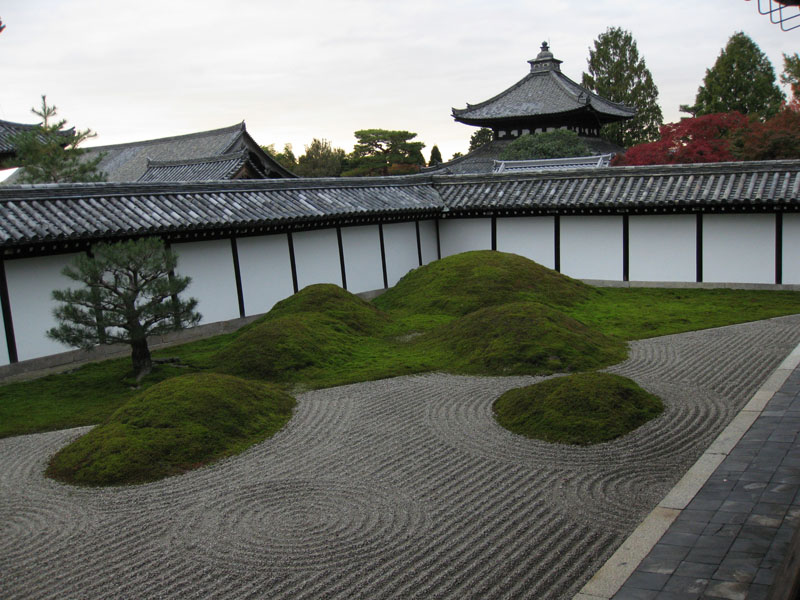
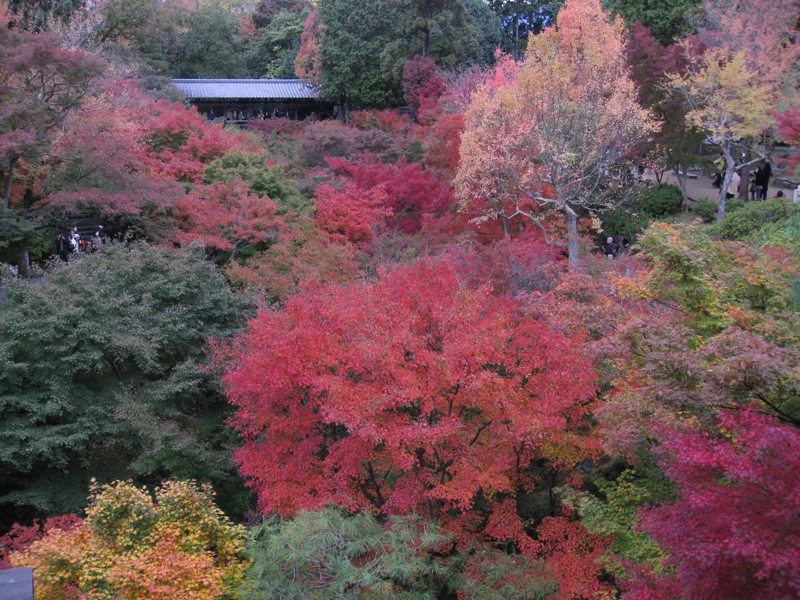
Kyoto, 13 Nov
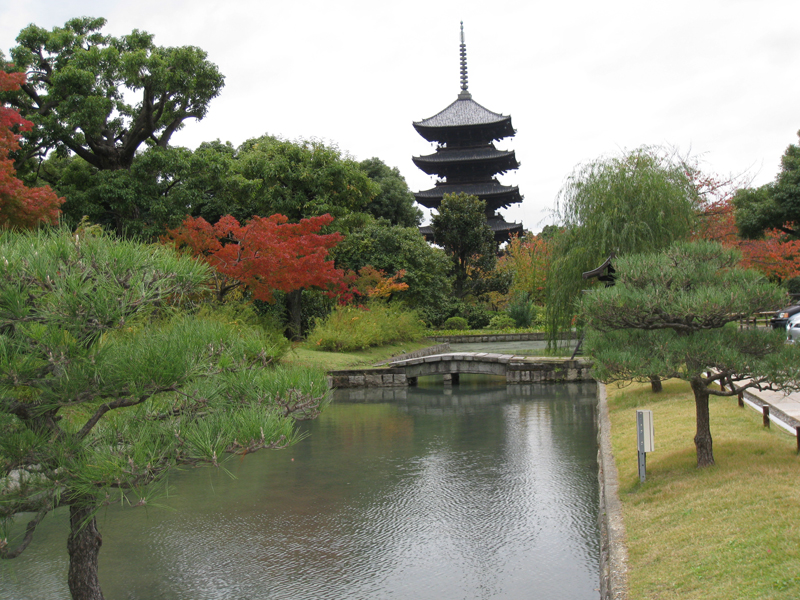
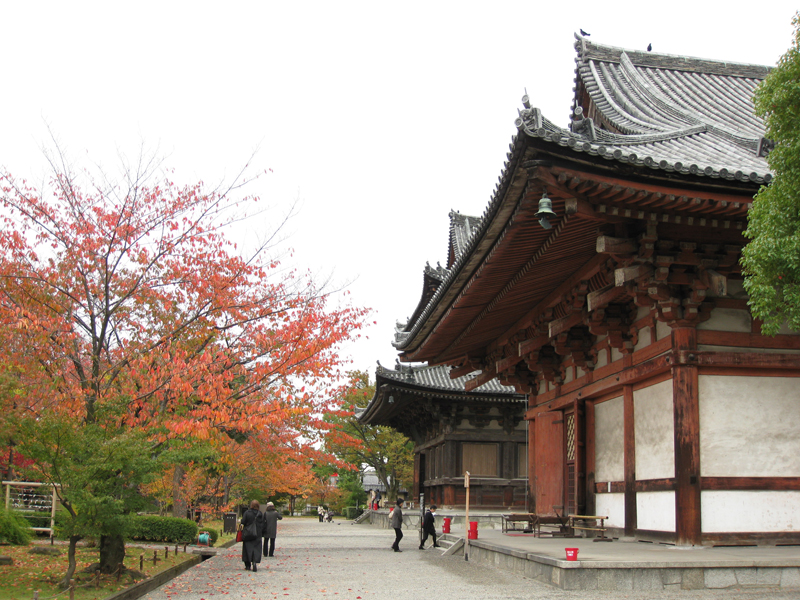
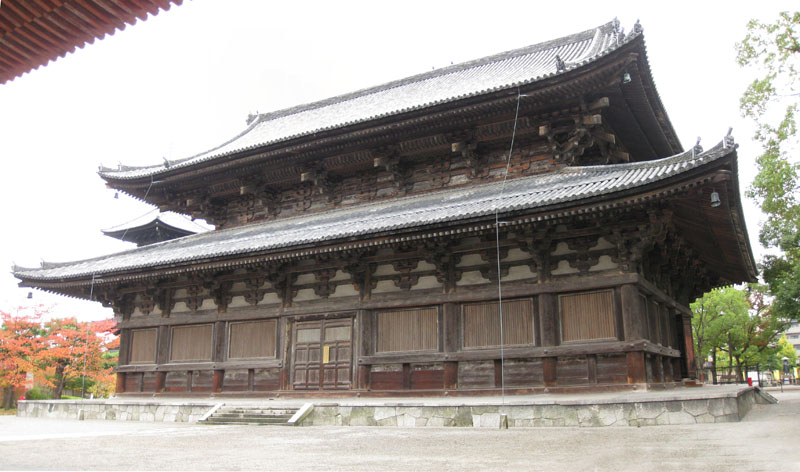
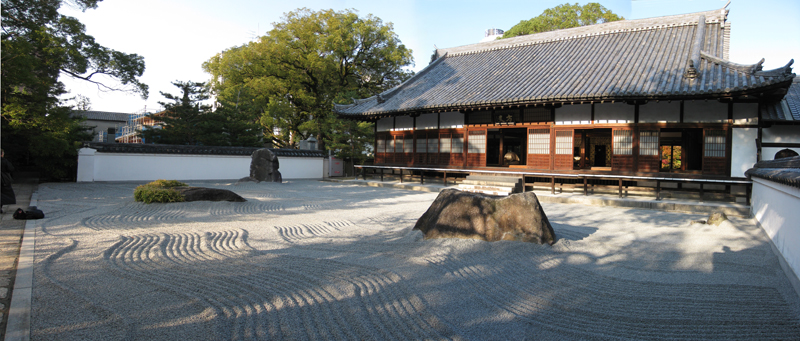
We visited two temples with a friend from previous visits to Japan, Teruko Shibata, who came up from her home in Kobe for the day.
Kyoto, 14 Nov
Matsue, 15 Nov
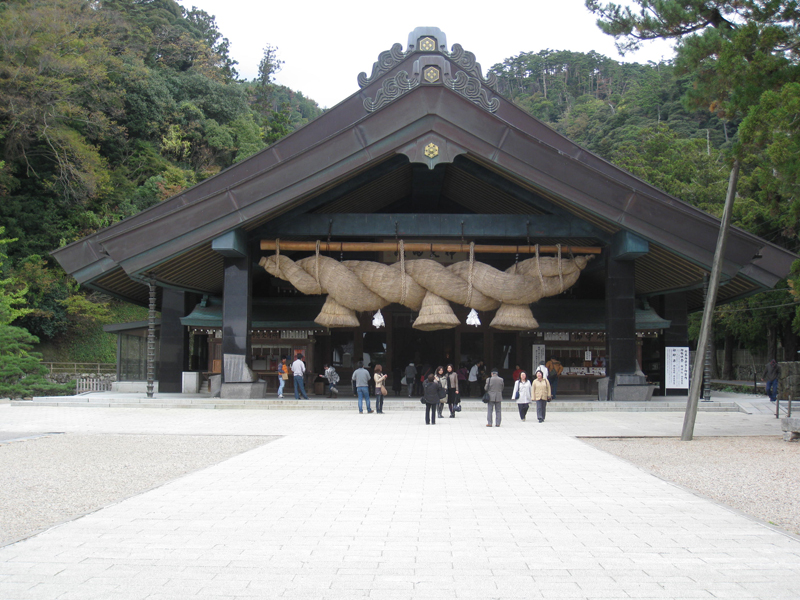
Izumo, 16 Nov
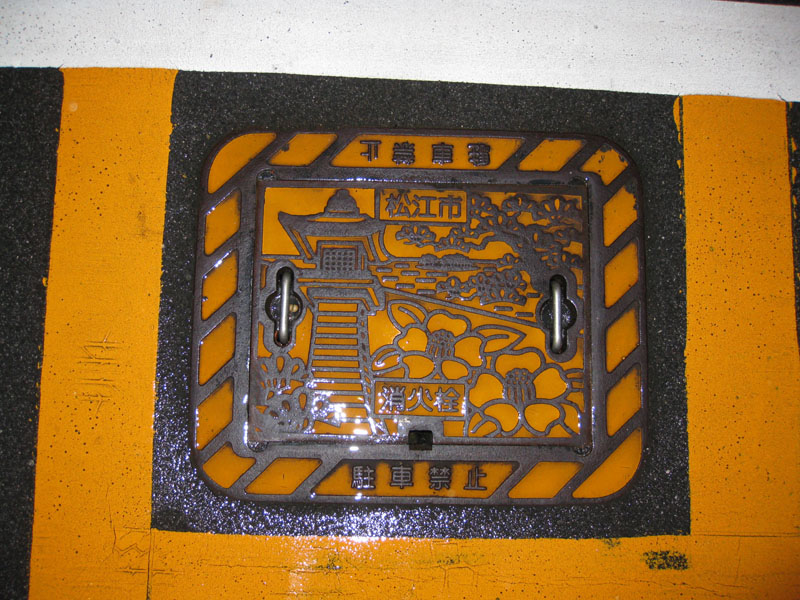
Matsue, 17 Nov
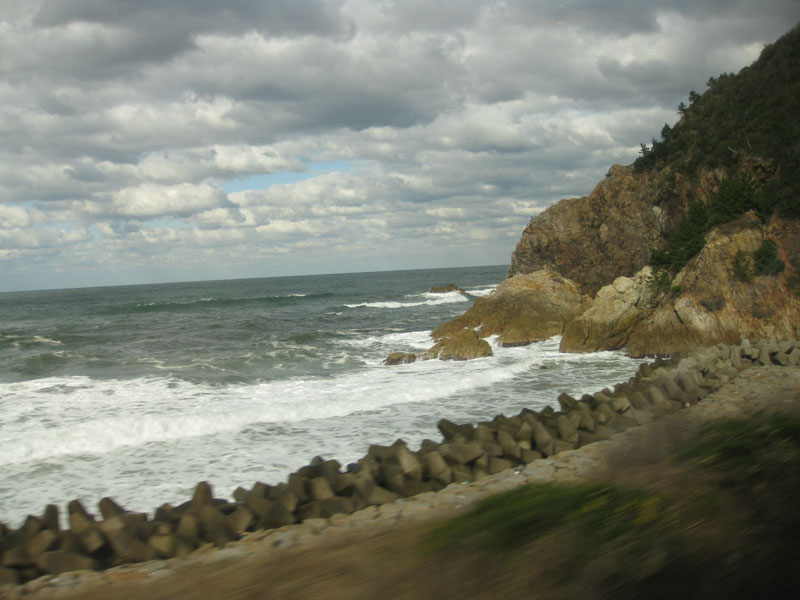
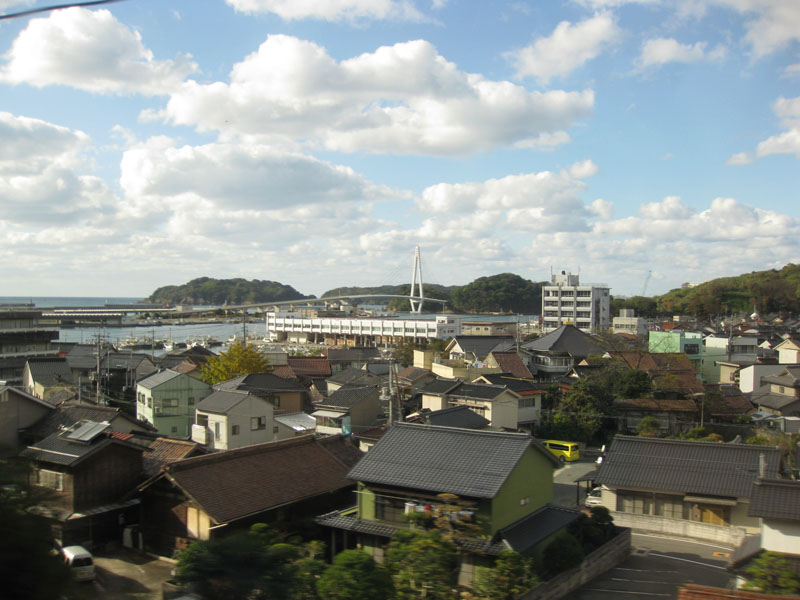
Matsue to Hagi, 18 Nov
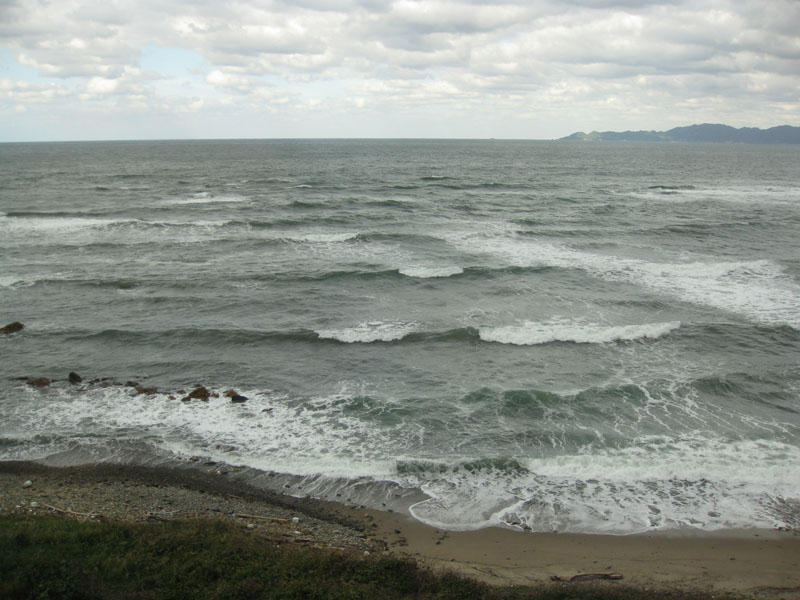
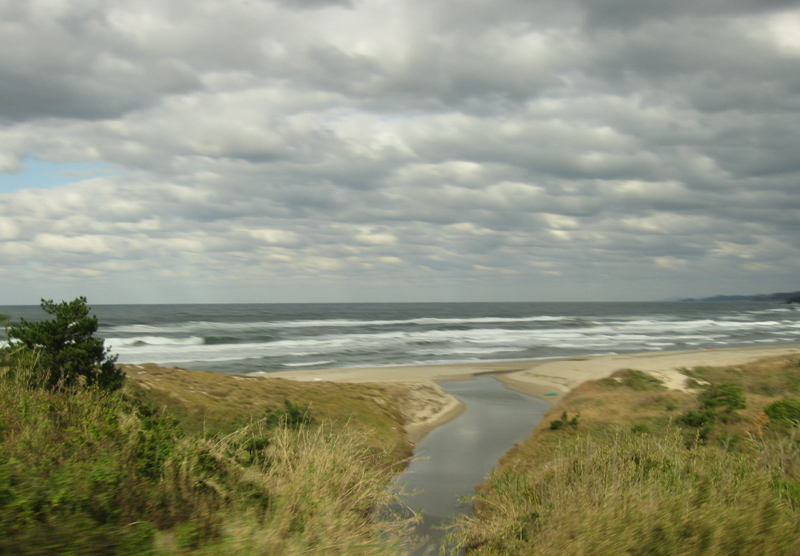
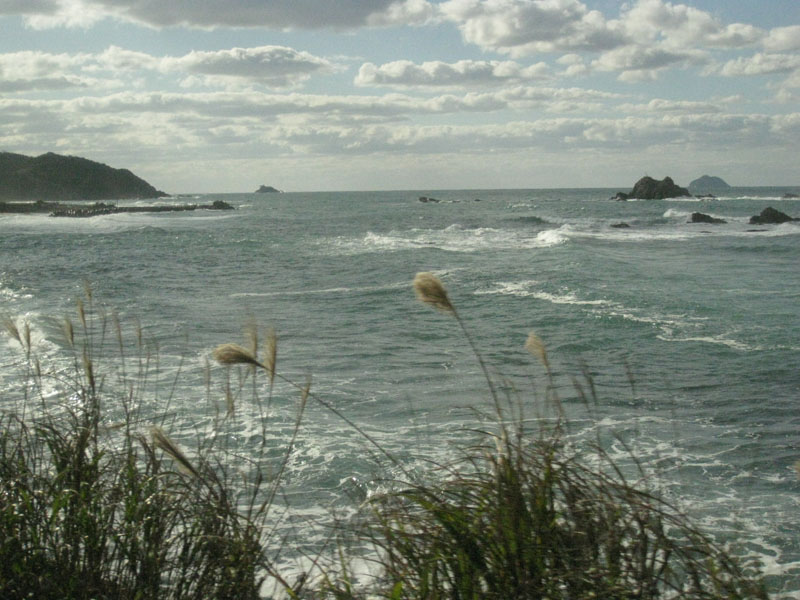
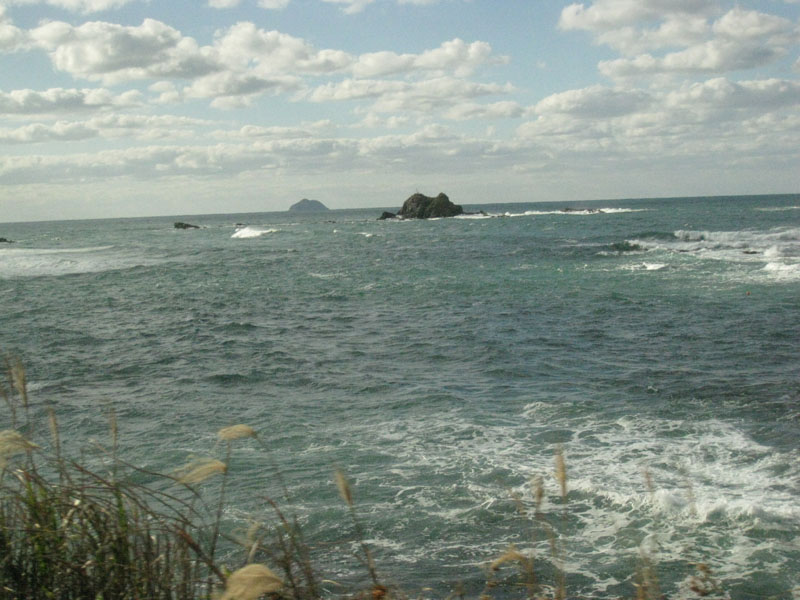
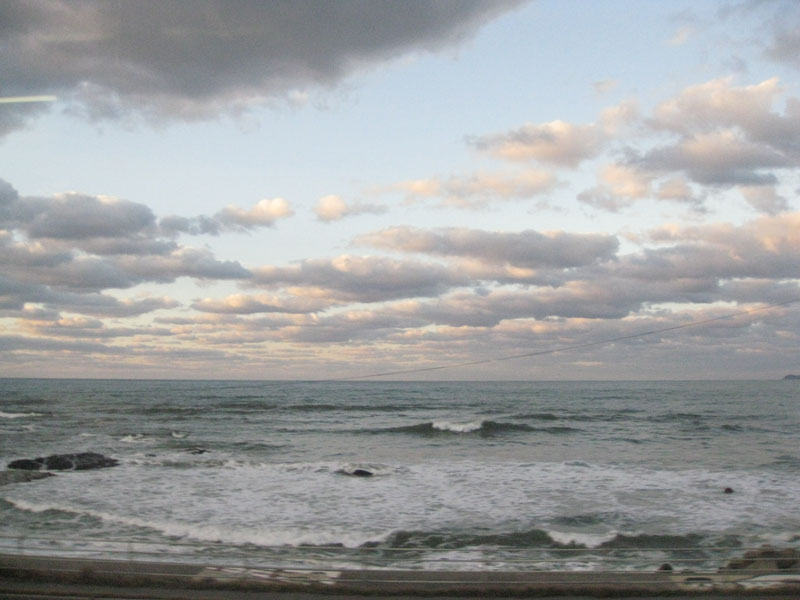
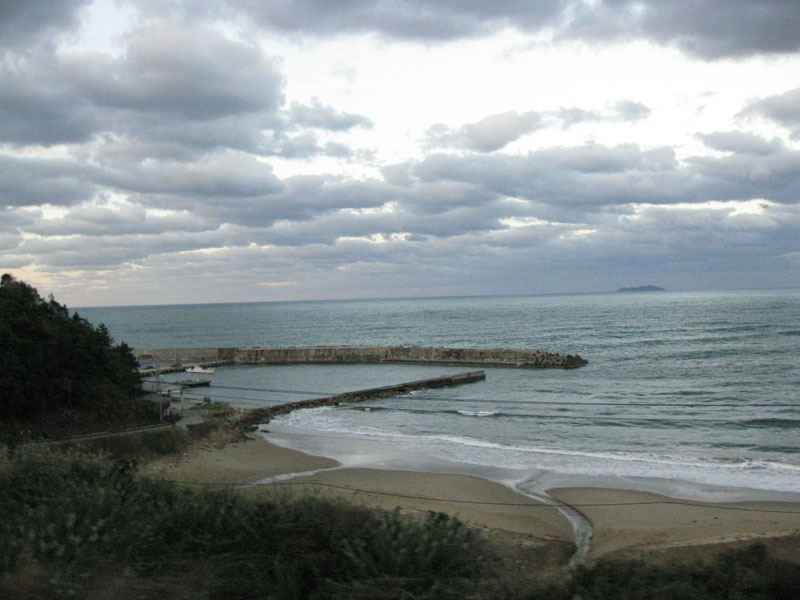
The Japan Railways Sanin Line runs along the coast at the far northwest end of Honshu, facing Korea.
Here is a large map of that area.
Hagi, 19 Nov
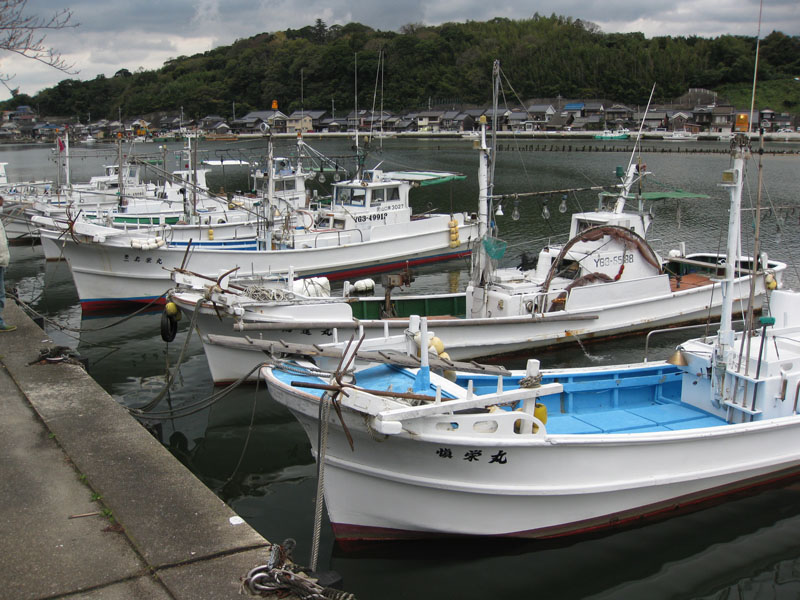
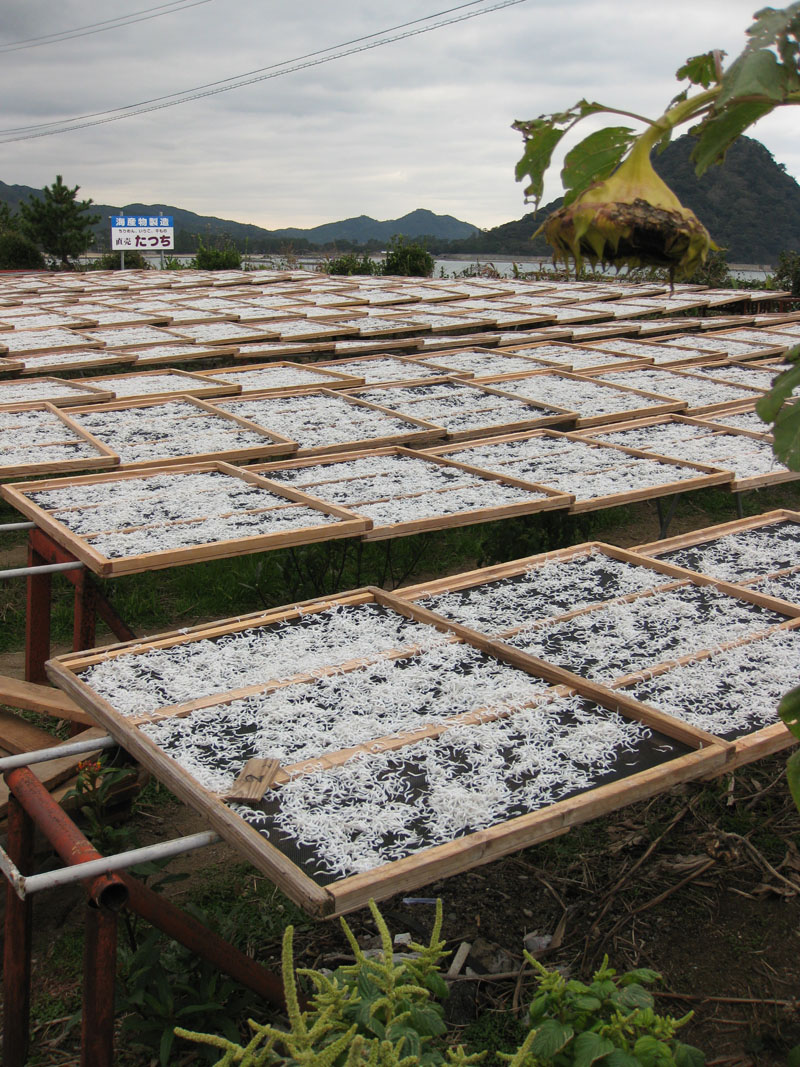
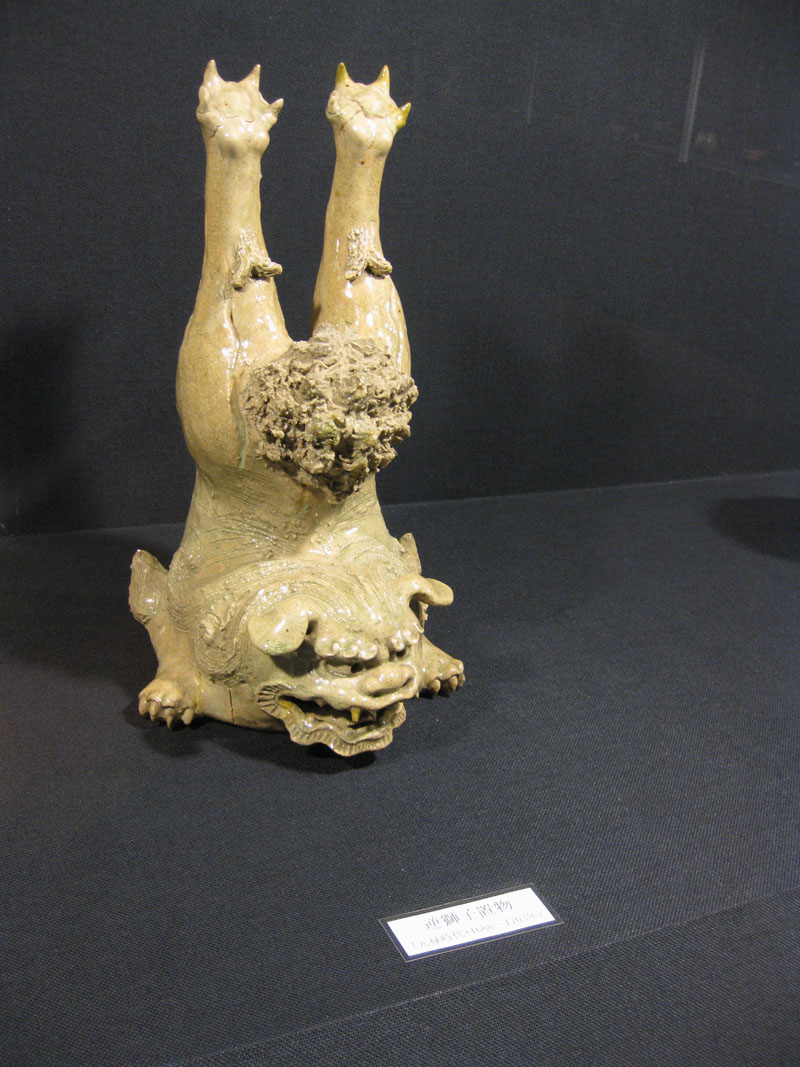
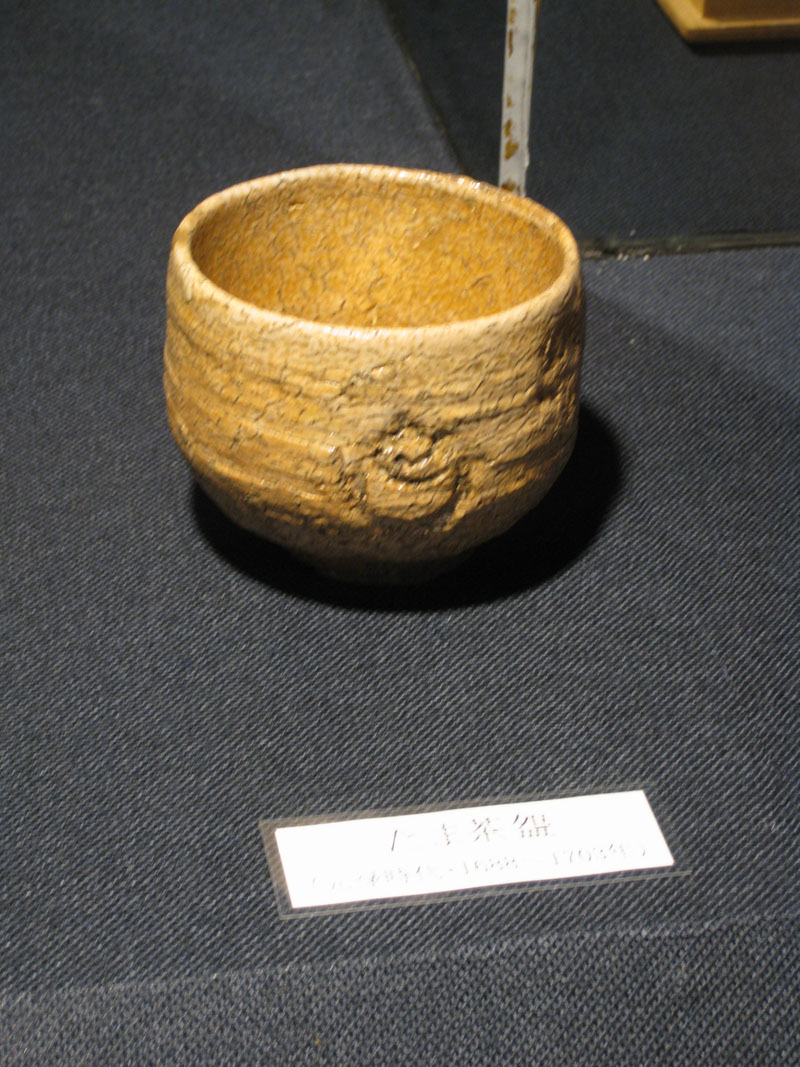
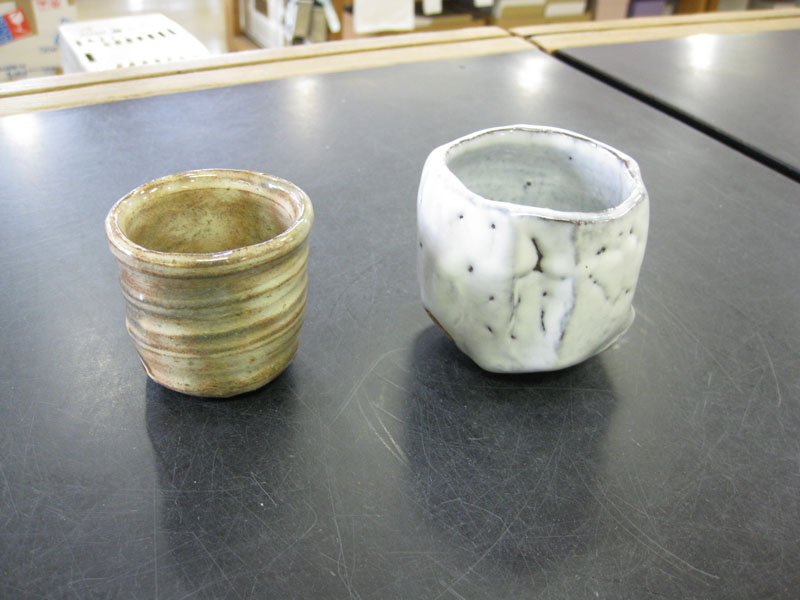
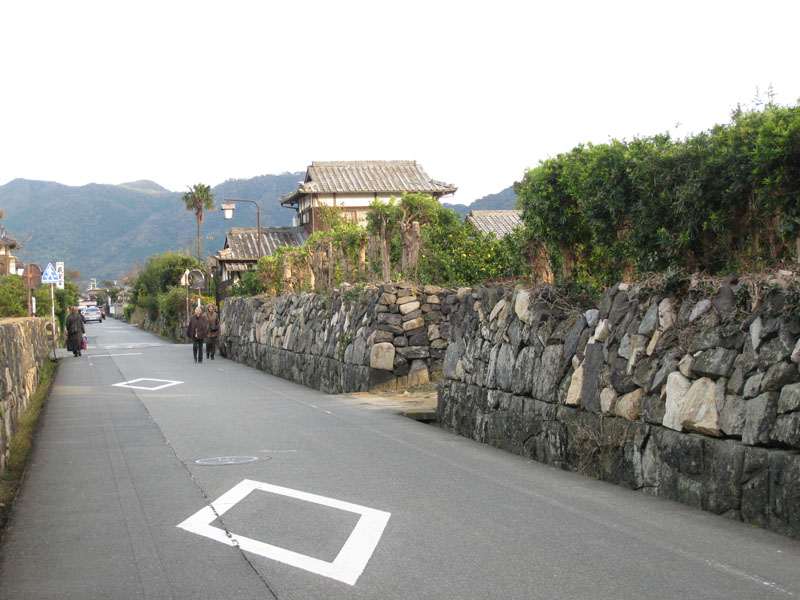
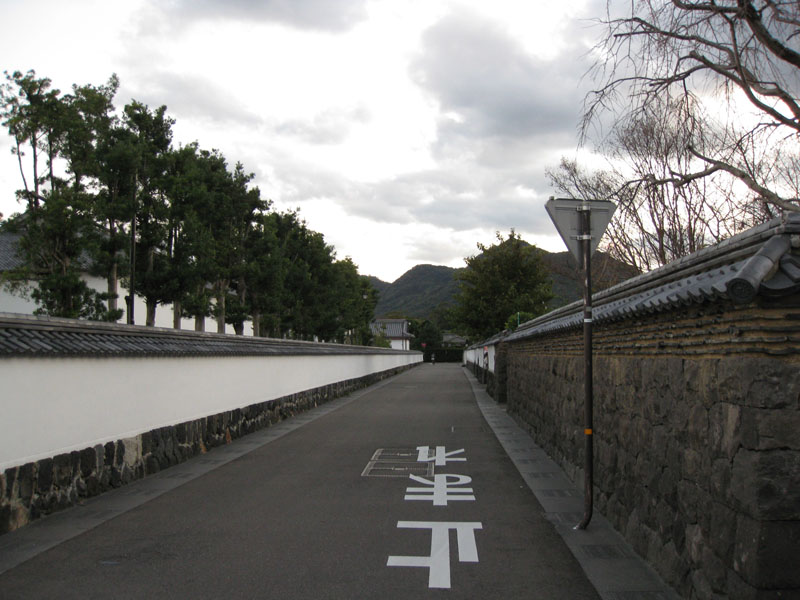
Hagi is a former castle town with several Protected Districts. It is also a port, with ferries, a fishing fleet, and fish processing factories. Since the 16c it has been a pottery town, with a distinctive, understated style inherited from 16c Korean immigrants.
Fukuoka, 22 Nov
Dazaifu, 23 Nov
Dazaifu was capital of Kyushu in the Heian Era, and is the site of the latest National Museum. We spent the day mostly at Kanzeonji Temple.
Fukuoka, 24-25 Nov
Fukuoka, 26 Nov
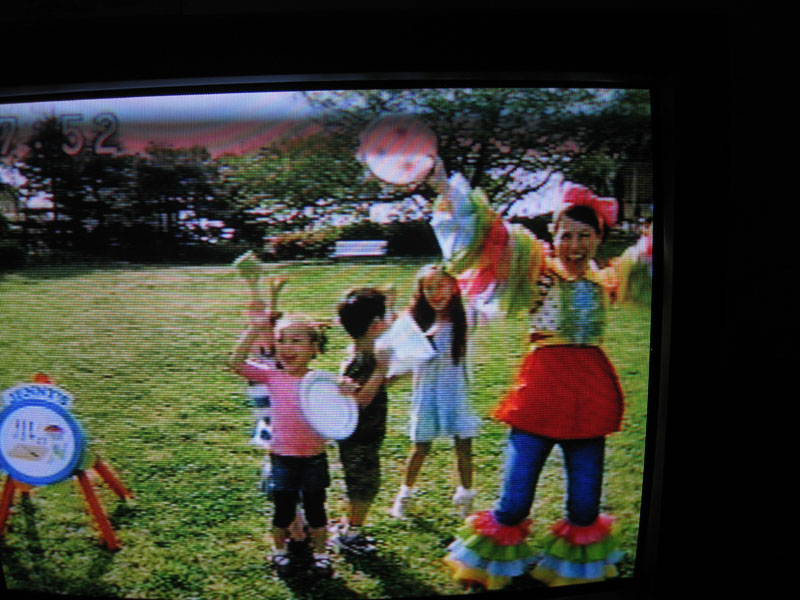
- English lesson on kids TV We watched kids TV in the morning, while doing our exercises and dressing.
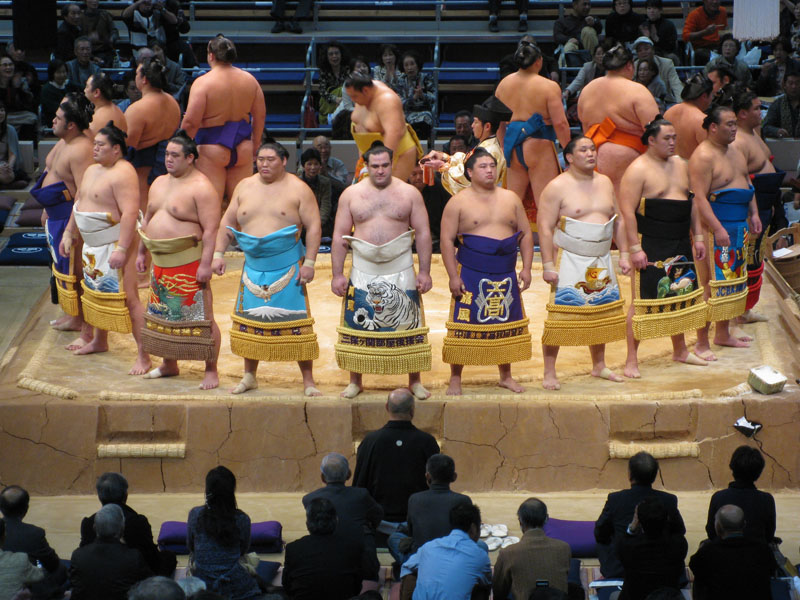
- Sumo opening ceremony This was on the third of the 3 days we attended the 15-day tournament.
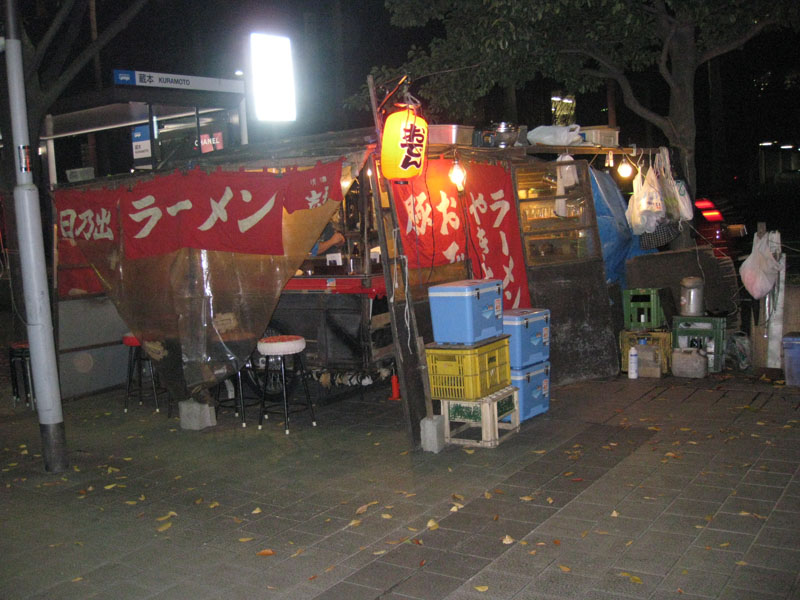
- Yatai in Fukuoka This type of sidewalk cafe is a distinctive feature of Fukuoka, though we only saw a couple of them. It had electricity and water connections to a nearby building.
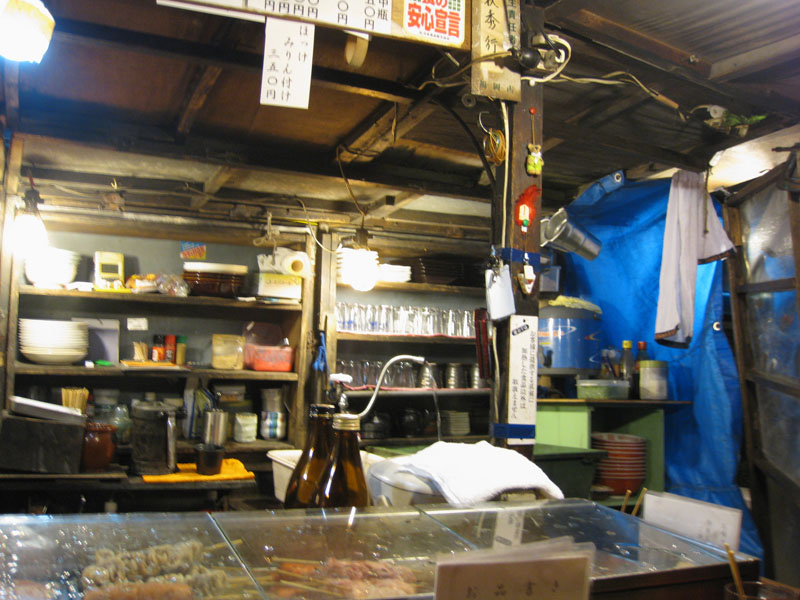
- Inside the yatai We had 3 sticks each of yakitori, as a prelude to dinner after sumo.
Arita, 27 Nov
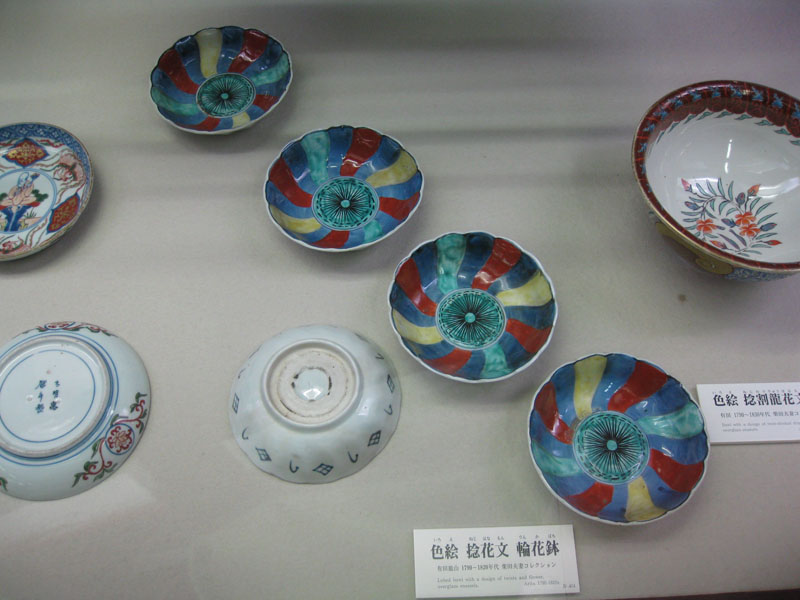
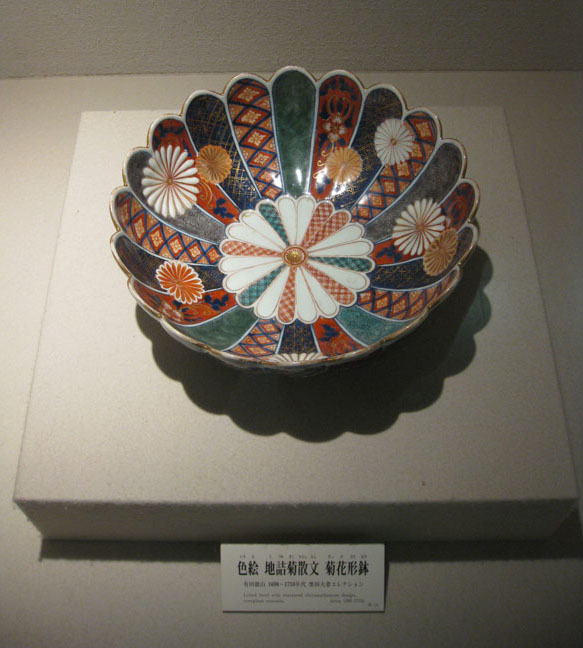
Arita is a pottery center about 100 km SW of Fukuoka. It has specialized in painted porcelain for centuries.
Himeji, 28 Nov
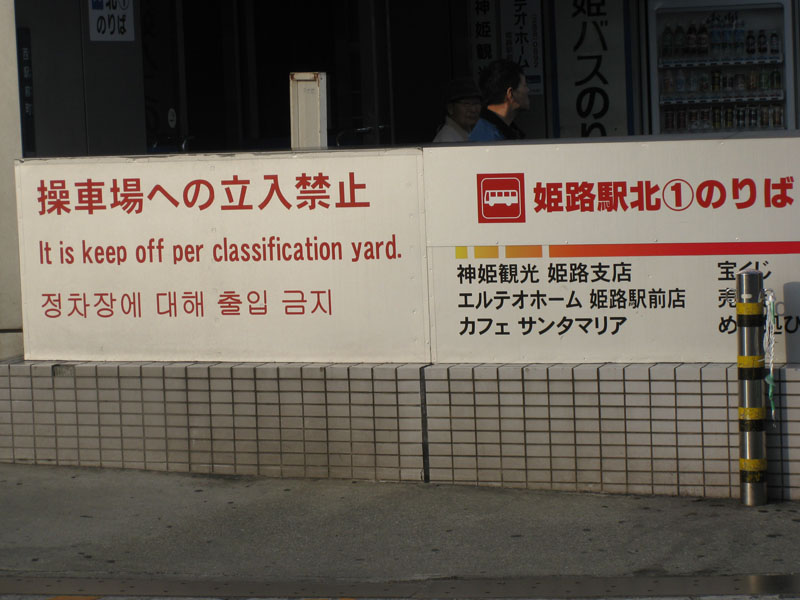
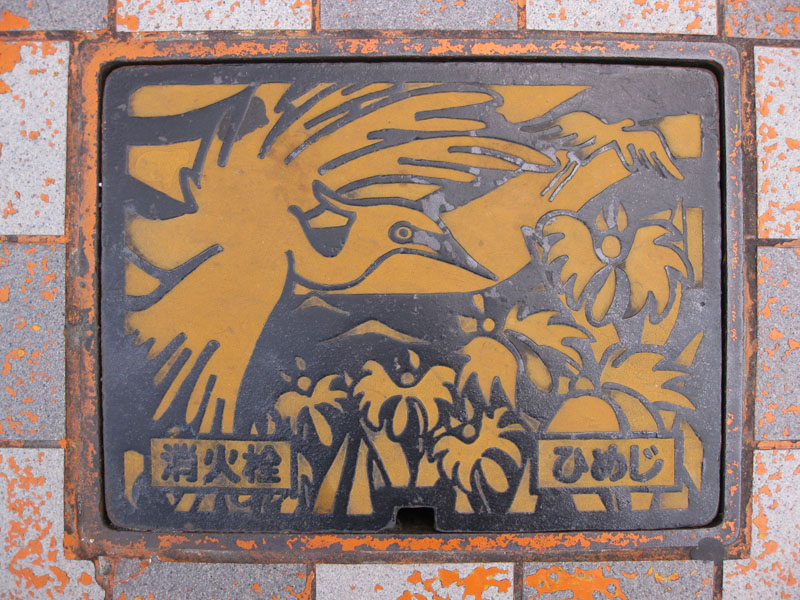
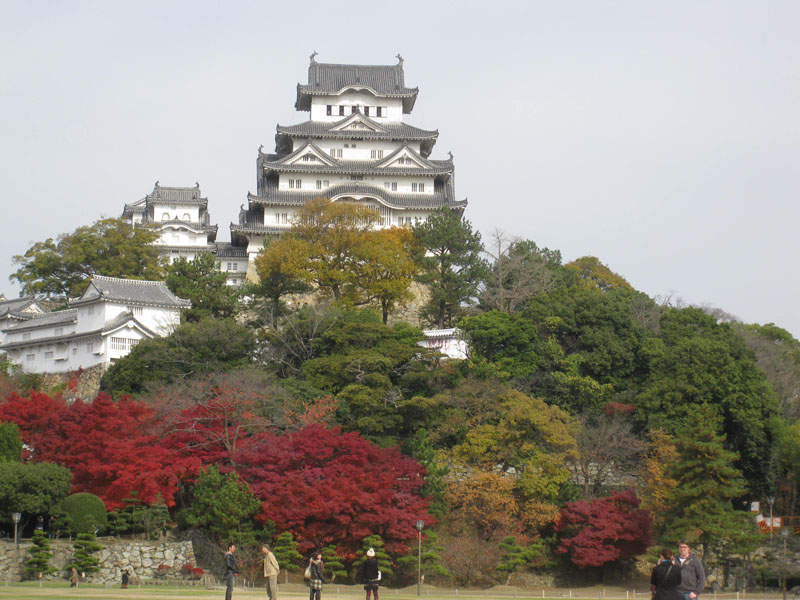
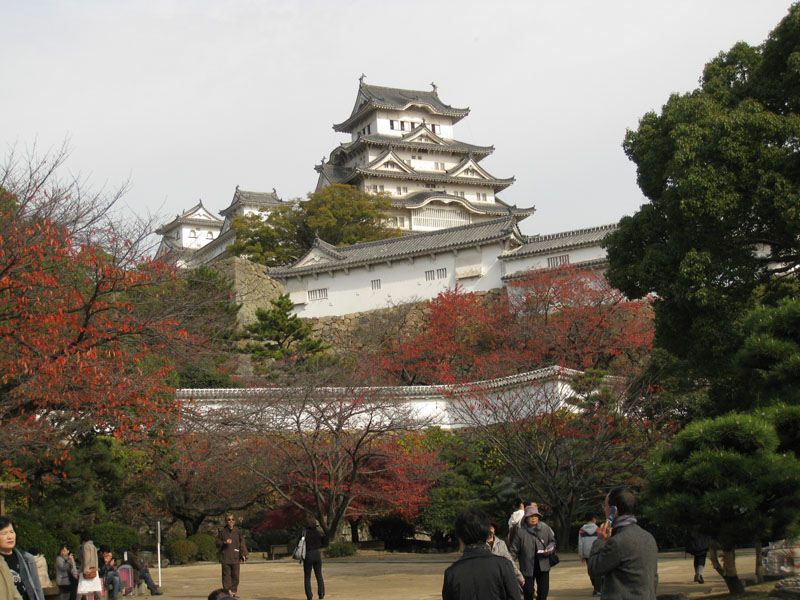
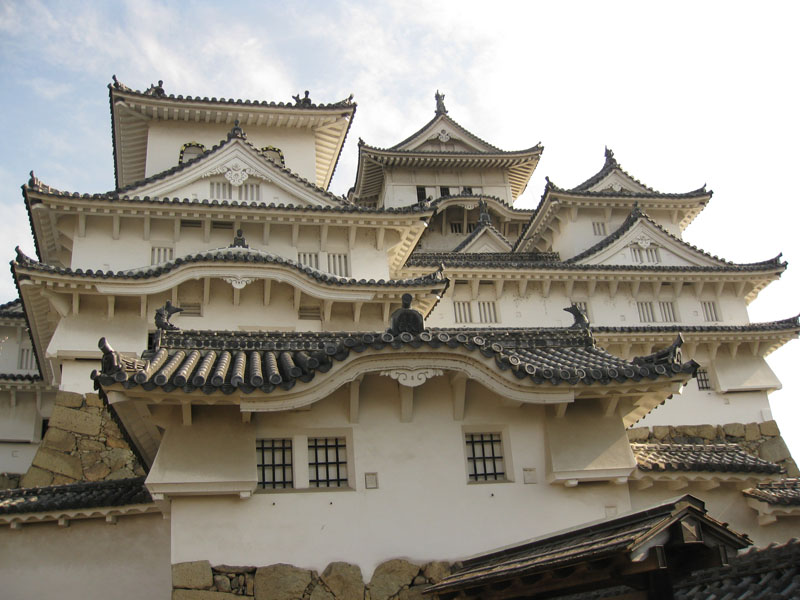
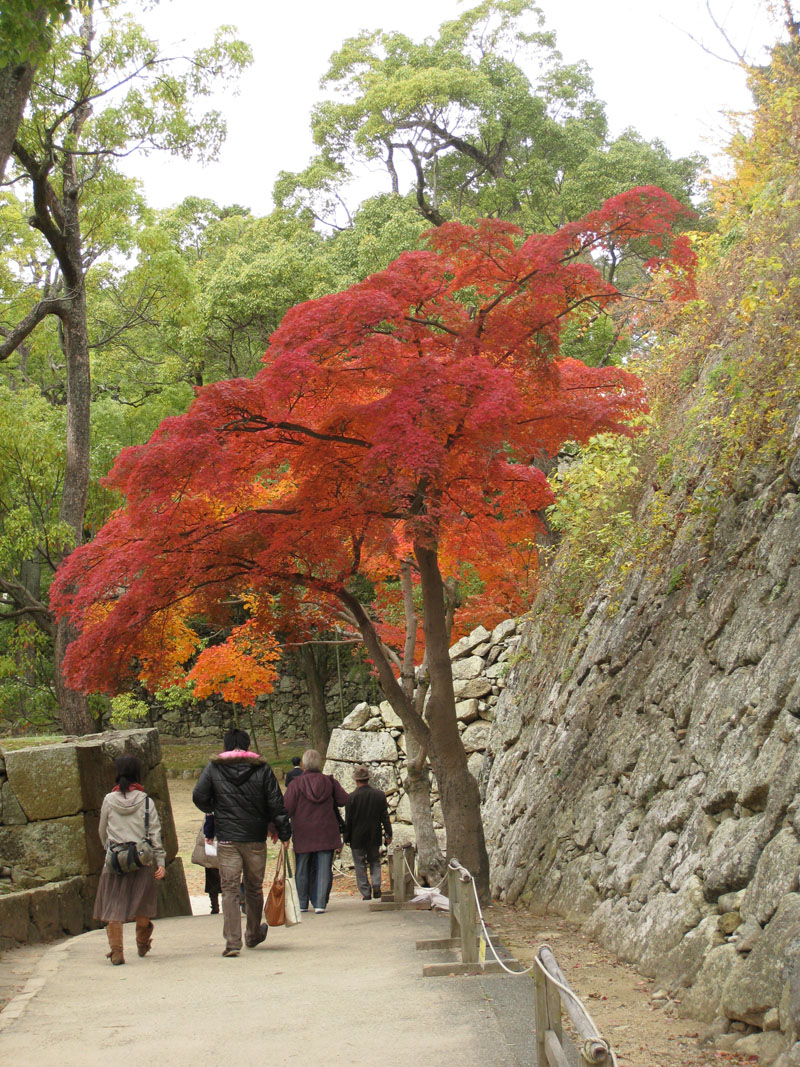
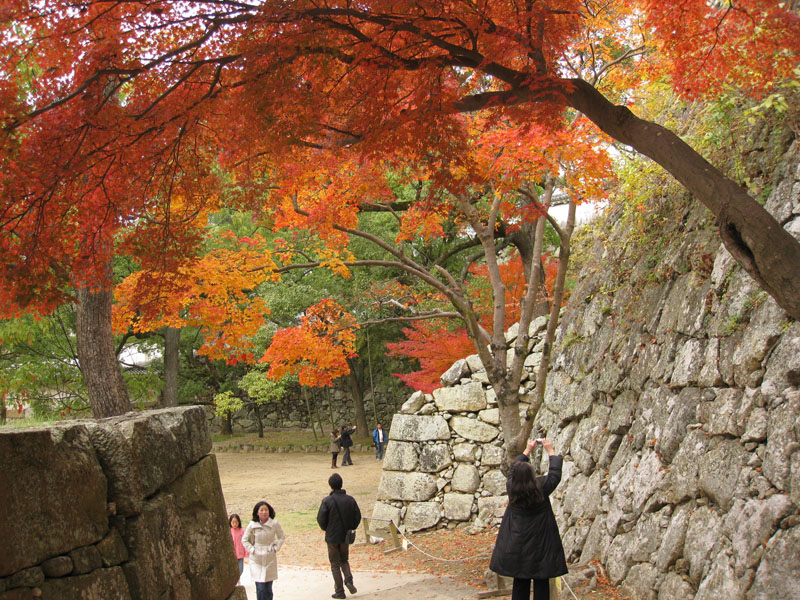
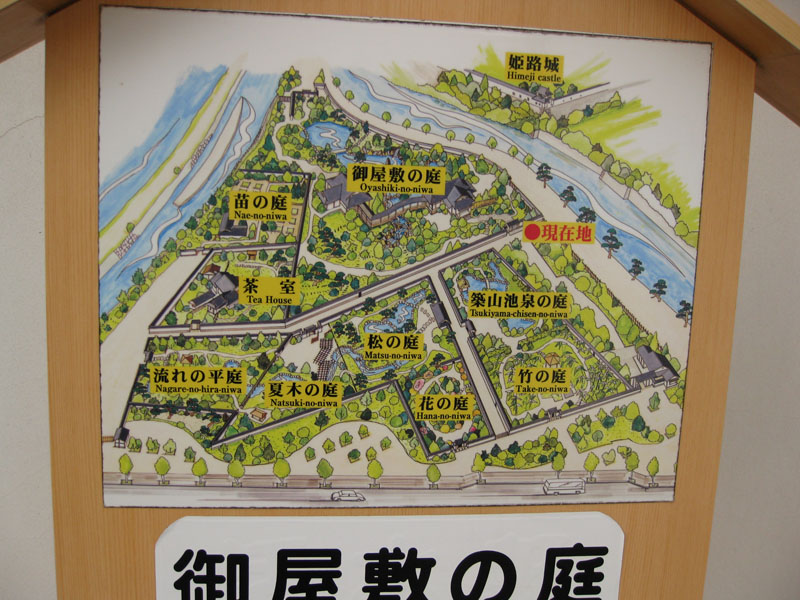
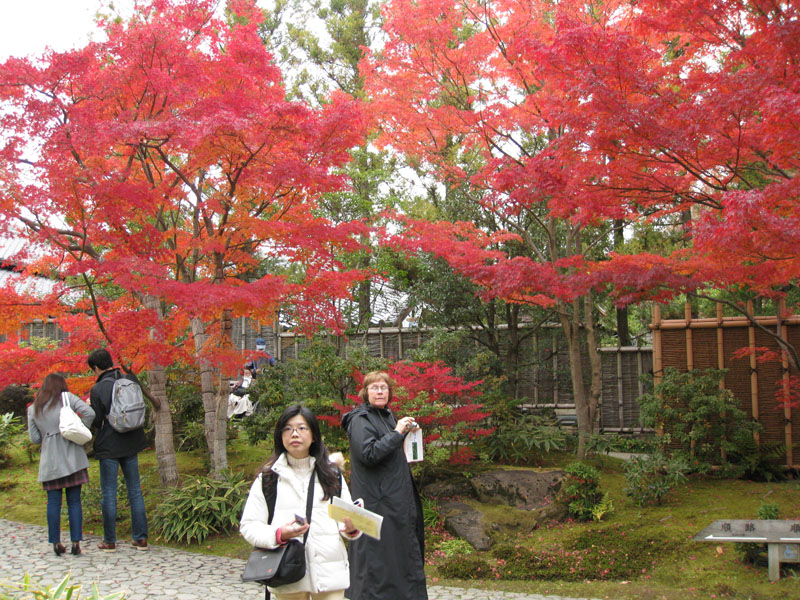
We stopped in Himeji to break up the long train ride from Kyushu to Tokyo. It has the largest surviving medieval castle in Japan. Many other castles have been rebuilt, often of concrete.
Himeji, 29 Nov
Tokyo, 30 Nov
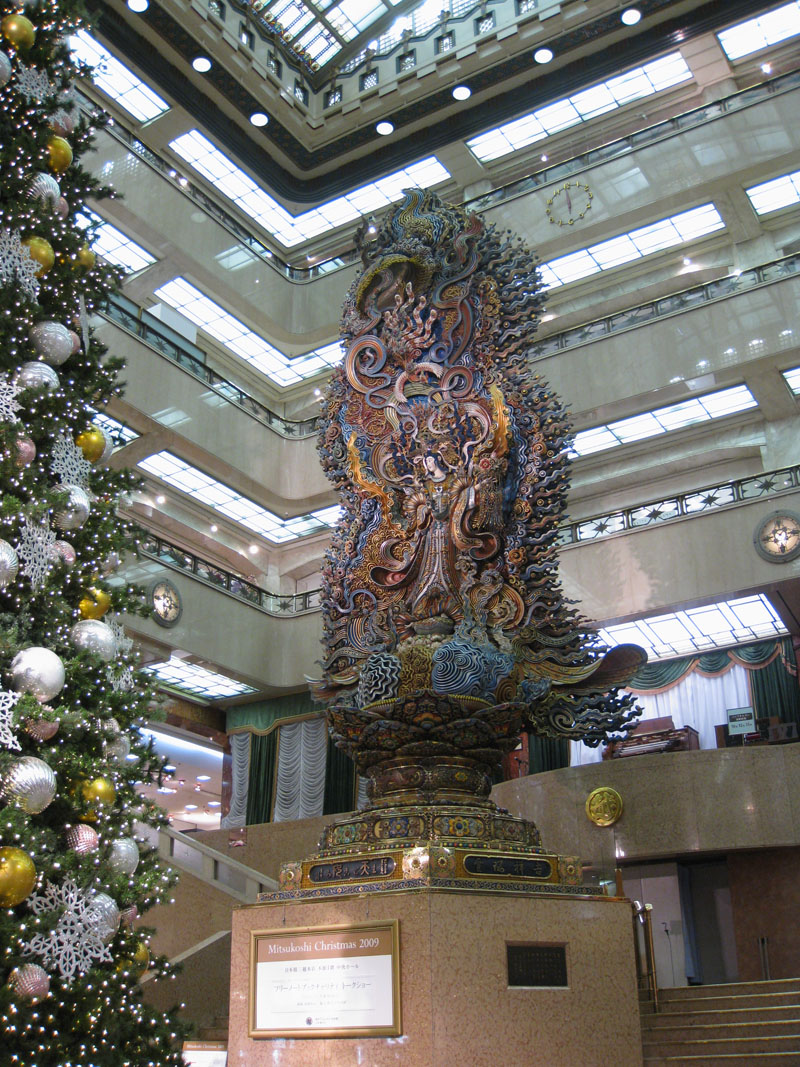
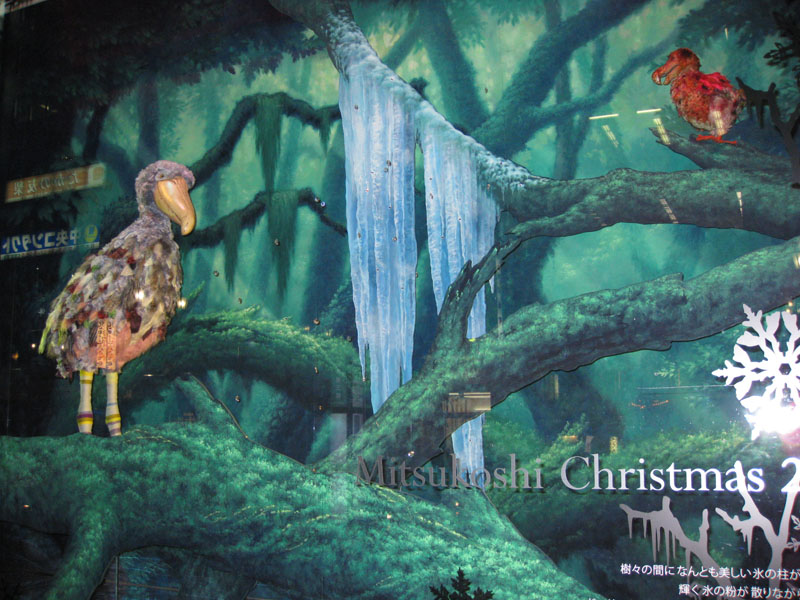
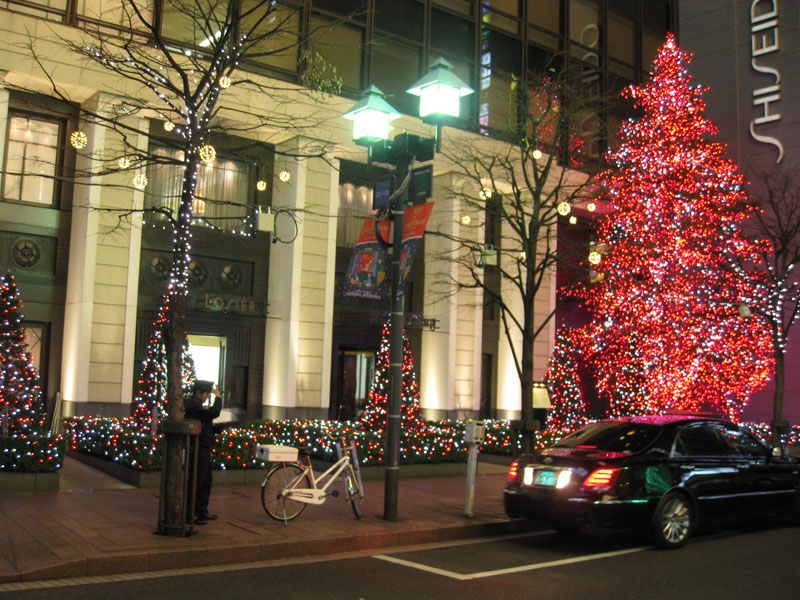
We were at Mitsukoshi several times, for its ceramics gallery and the tea and pastry in the food hall in the basement.
Tokyo, 1 Dec
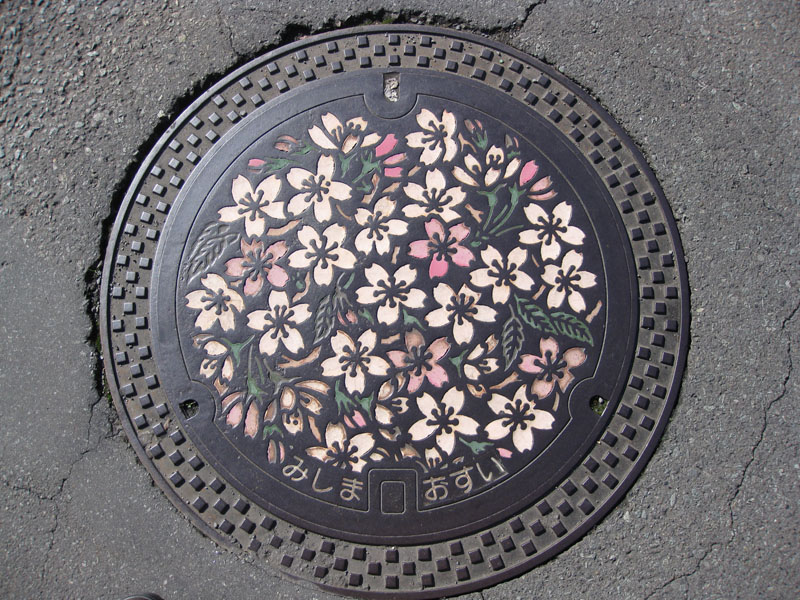
Mishima, 2 Dec
We went to Mishima, about 1 hour west of Tokyo by shinkansen, to visit the Robert Yellin ceramics gallery.
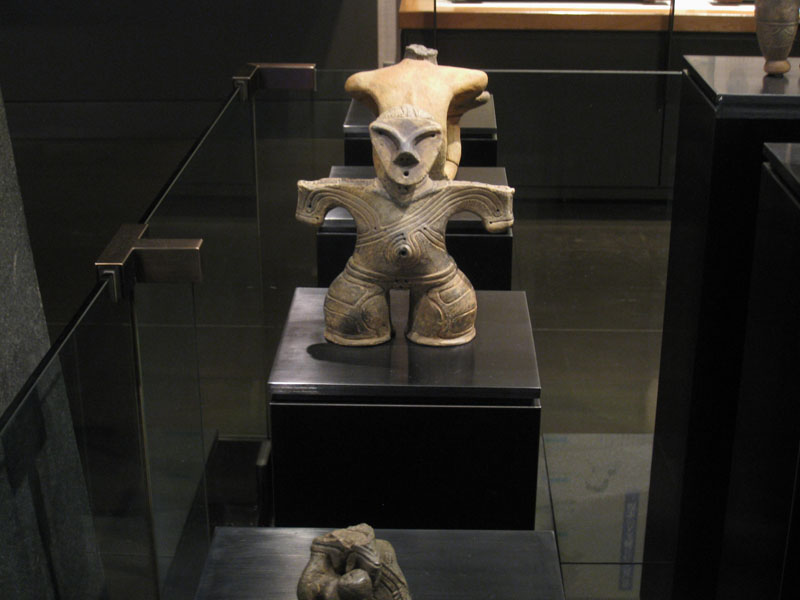
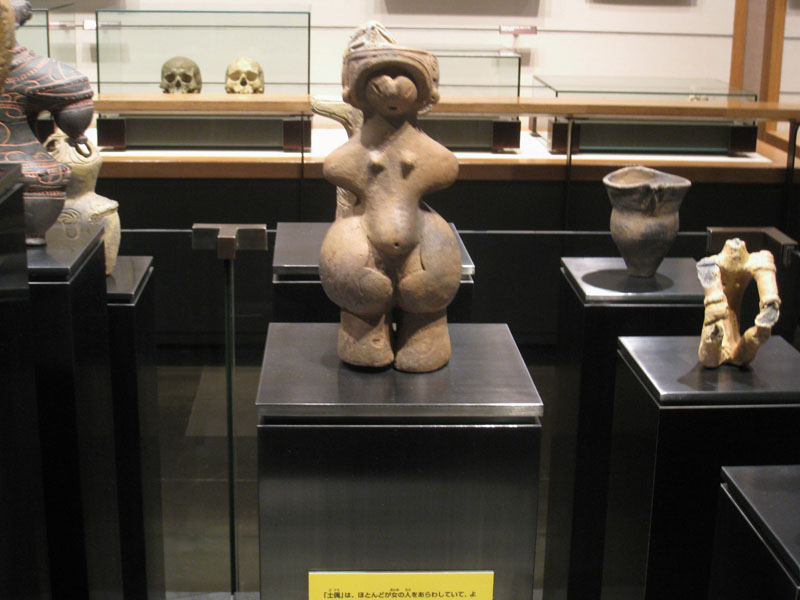
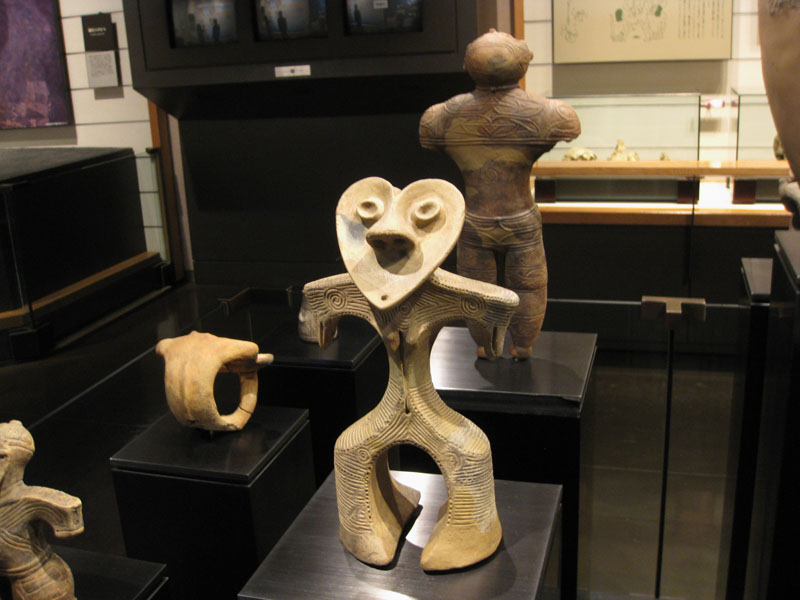
National Museum of Japanese History, Sakura City, 3 Dec
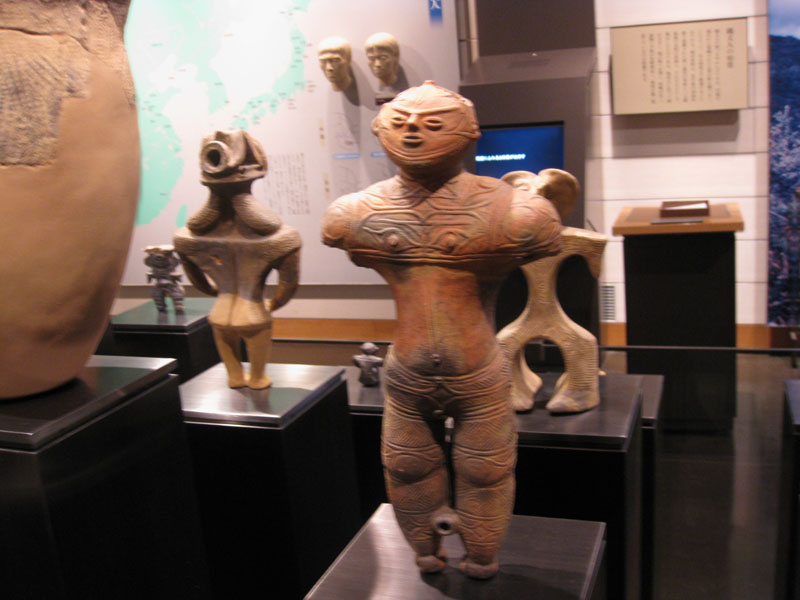
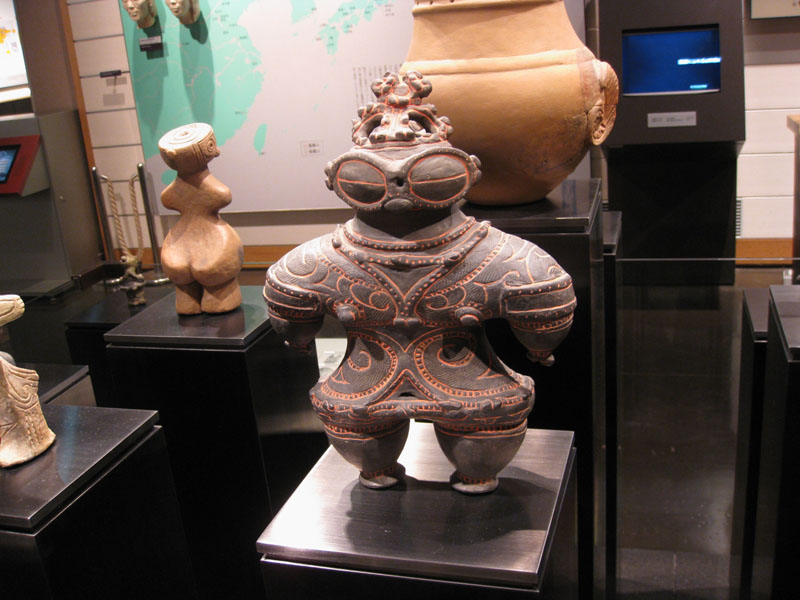
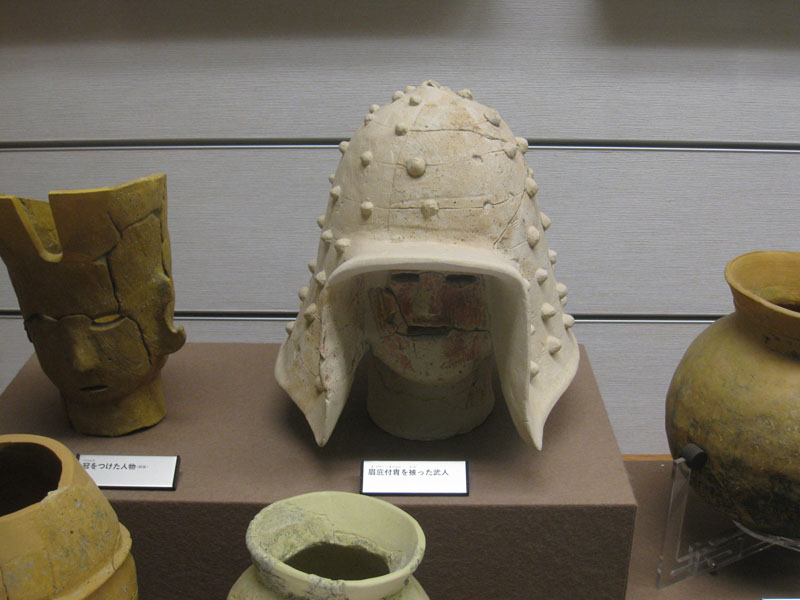
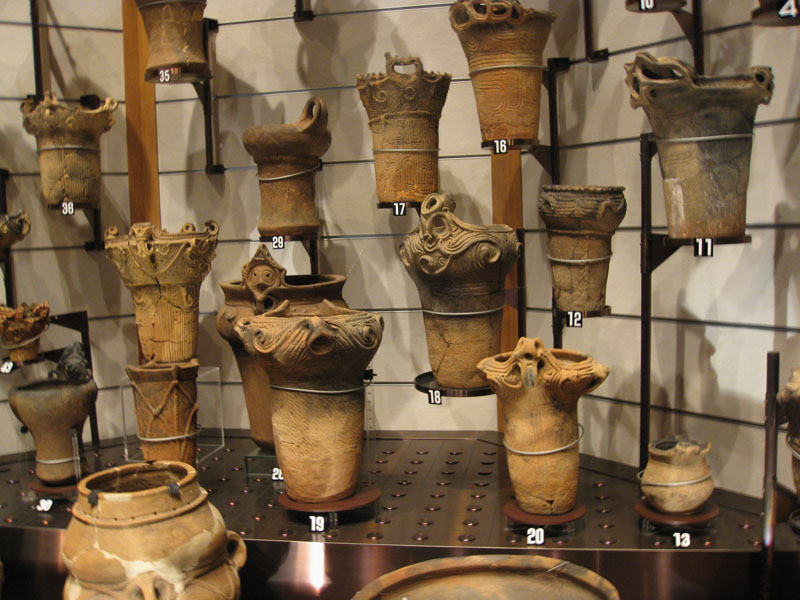
This is an exceptional museum, though a little inconvenient to travel to, and with not as much English as we would like. It is an active research center, which I heard about from its work on re-dating the start and end of the Jomon Era. Sakura is 50 km east of Tokyo, about 1 hour by express train.
Unfortunately the Museum seems to have stopped publication of
these excellent web pages with contents and excerpts from a bimonthly magazine calle "Rekihaku". There is much good stuff here, which it may be hard to find via Google.